Botswana Green Season: When to Go, What to Expect & Why It Matters
Planning a Botswana safari often starts with one key question: when should you visit?
This is because Botswana moves between two very different conditions across the year. One defined by dryness, where water becomes scarce and wildlife movement narrows. The other by rainfall, where the landscape opens, vegetation returns, and the bush shifts into a more fluid, less predictable state.
This is the green season.
Often described simply as the ‘rainy season’, it’s widely misunderstood. For many travellers, it’s seen as the time to avoid a safari. There is an assumption that rain limits wildlife viewing and disrupts the experience.
In reality, a Botswana green season safari offers something different. While it isn’t for everyone, those willing to look beyond peak-season expectations may find it to be one of the most rewarding times to visit.
This guide breaks down the Botswana green season in detail, from when it occurs to what you can realistically expect, helping you decide if it’s the right fit for your safari.
What Is the Botswana Green Season?
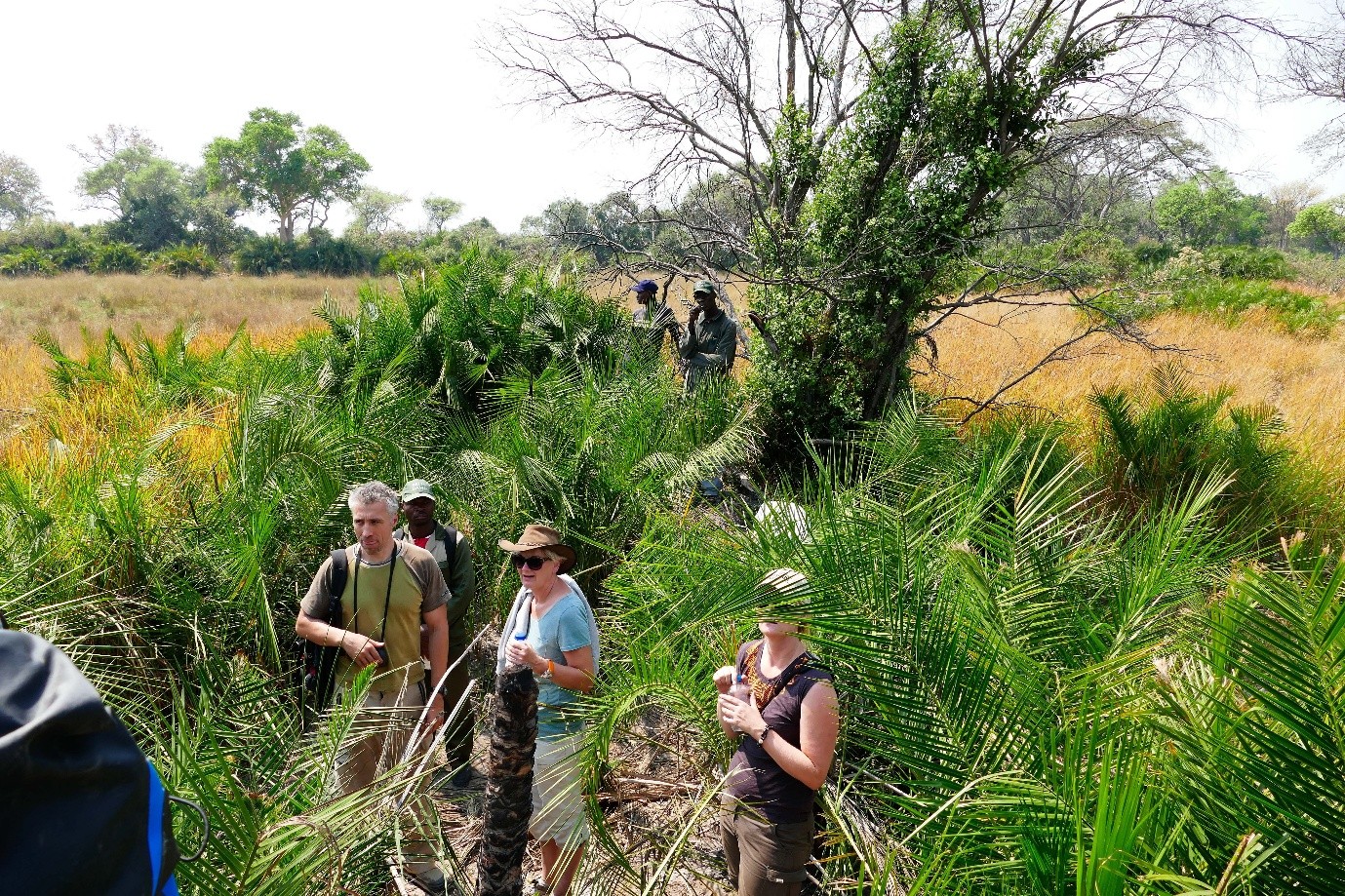
The green season refers to Botswana’s summer months, when rainfall brings the landscape back to life. After months of dry conditions, the first storms arrive, often dramatic but short-lived, triggering new growth across the Okavango Delta and surrounding regions.
It’s called the green season for a reason.
Vegetation thickens, wildlife behaviour shifts, and the environment becomes more dynamic. The bush feels alive in a different way to the dry seasons.
For safari travellers, that means a move away from predictable, waterhole-driven sightings towards something more fluid. Animals disperse, patterns change, and guiding becomes more instinctive. It’s a more involved way of experiencing the bush, but one that often feels more natural.
In short, the Botswana Green season can be defined by:
- Seasonal rainfall that arrives in short, often intense bursts
- A shift to lush, green landscapes and renewed vegetation
- Wider water availability, leading to more dispersed wildlife
- Changing animal behaviour, particularly around movement and feeding patterns
When Is the Green Season in Botswana?
Much like the dry season, Botswana’s green season develops gradually. There’s no single moment when the landscape turns from dry to green; instead, the change happens in stages, shaped by the arrival of rainfall and the response of vegetation and wildlife.
Early Green Season: November to December
The latter months of the year mark the start of the seasonal transition with rains beginning to fall, breaking the dry season. The landscape starts to change, but visibility remains relatively open. Game viewing can feel closer to dry-season patterns making it a good balance for those unsure about committing.
Mid Green Season: January to February
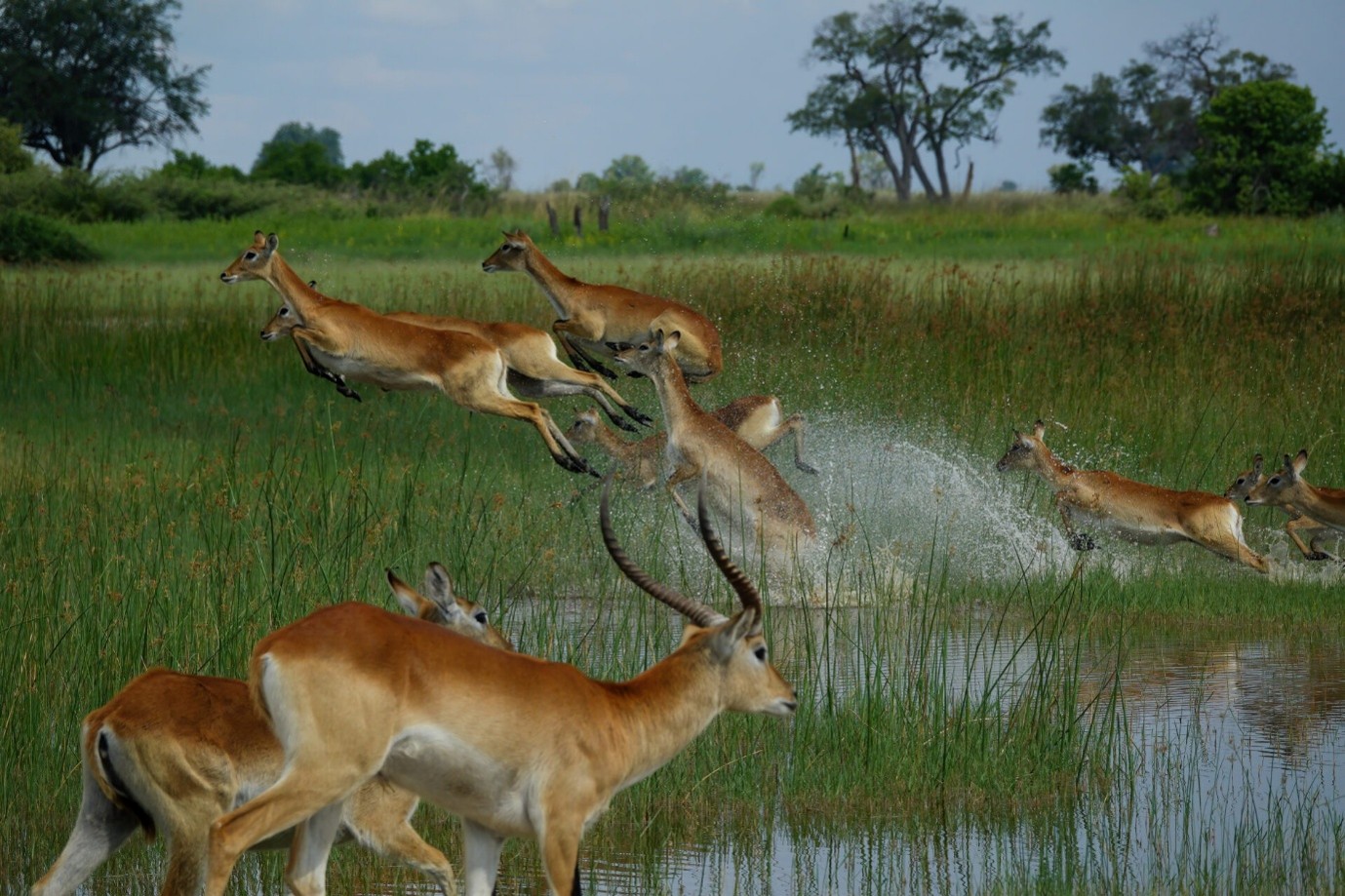
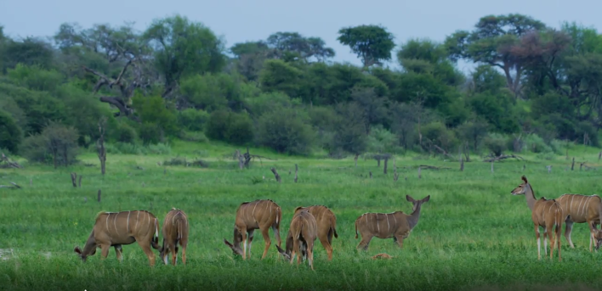
January to February is when the green season reaches its peak. Vegetation is at its most vibrant, and this is when calving season begins. Large herds of antelope give birth, bringing a noticeable shift in predator activity. As the rains settle in, animals spread out, and sightings become more dependent on tracking and local knowledge.
End of Green Season: March
By March, the rains begin to ease. The landscape remains green, but conditions stabilise slightly. It’s often a quieter window, with a balance between accessibility and the benefits of the season still in place.
Why experience a Bush Ways Botswana Safari during the Green Season?
The advantages of travelling during the green season are often less obvious at first, but become clear once you’re in the bush.
Some of the key advantages include:
- Fewer visitors across camps and concessions, leading to more private sightings and less time-sharing space at wildlife encounters.
- The calving season and heightened predator activity creates more dynamic and behaviour-led wildlife moments.
- Stronger birdlife, with migratory species arriving and activity increasing across the landscape.
- A more immersive environment, with greener landscapes, changing light and a greater sense of movement across the bush.
Green Season Safari Considerations
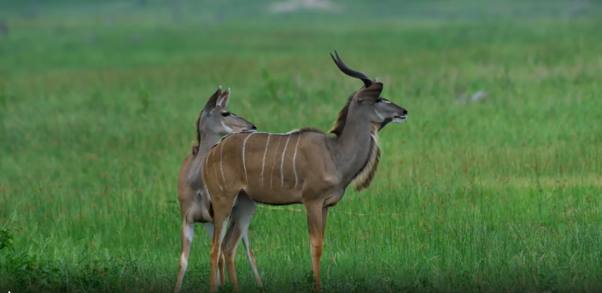
The green season brings clear advantages, but it also requires a slightly different approach to how you plan and experience your safari. This is because temperatures can be higher than other visiting months, with increased humidity, and while rainfall is rarely constant, it can influence access and movement at times.
What to Pack
Packing for the green season is less about volume and more about versatility. Lightweight, breathable clothing works best in the warmer conditions, alongside a waterproof layer for occasional rain. Footwear should be suitable for mixed terrain, and as always on safari, neutral colours remain important in not drawing unnecessary attention from the wildlife.
Choosing the Right Safari Style
The way you travel can shape how you experience the green season.
Safaris that allow for flexibility, whether through mobile camping or smaller group sizes, tend to adapt more easily to changing conditions and wildlife movement. More fixed, lodge-based itineraries offer consistency, but may be less responsive to shifts in the bush.
During this time of year, flexibility often becomes a key advantage.
Bush Ways Botswana Green Season Safari Options
Bush Ways offers several safaris during months that overlap with Botswana’s green season and low-season travel periods, including January to May, November and December on selected itineraries. These options allow travellers to experience the quieter, greener months through different levels of comfort and immersion.
Adventure Camping Safaris
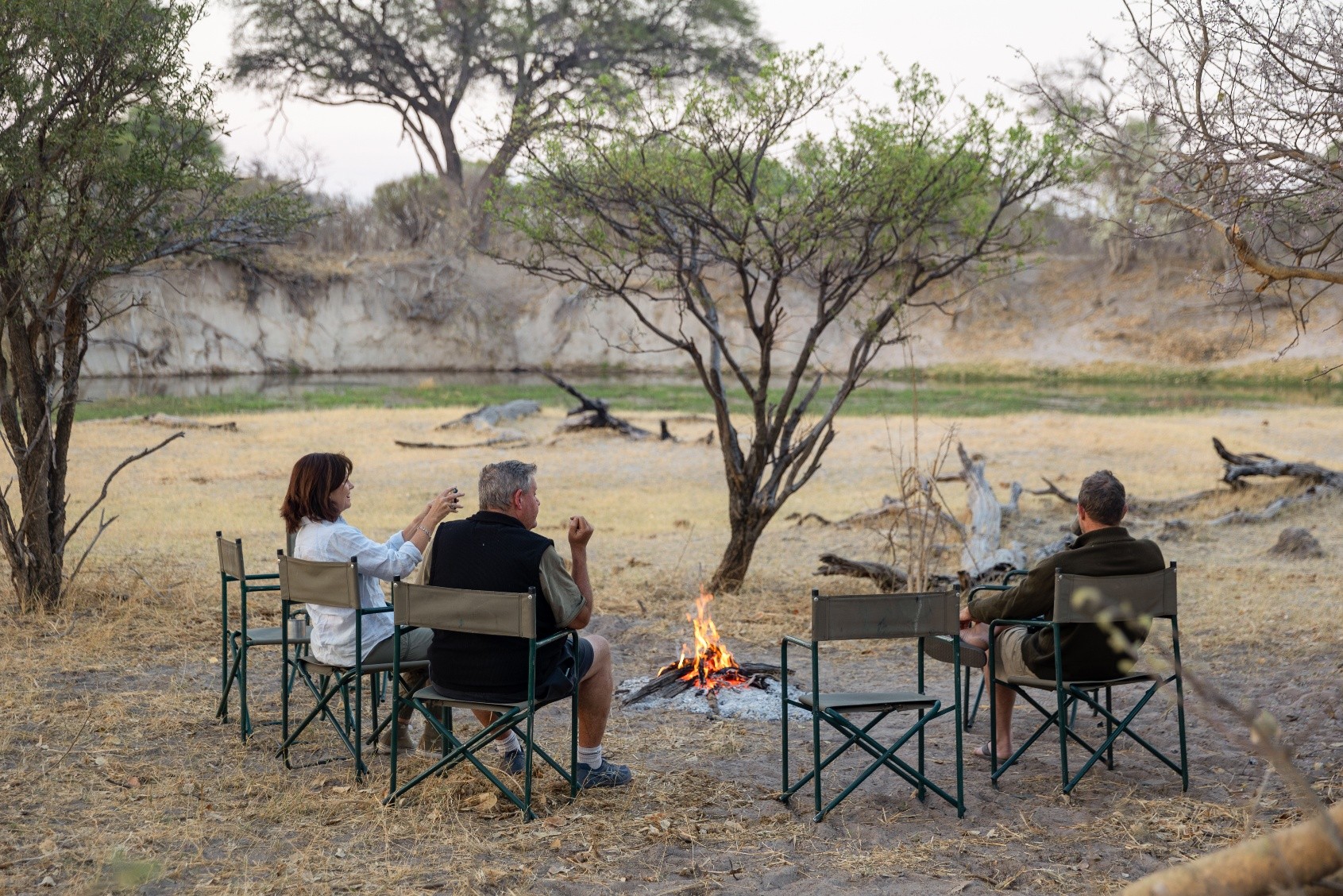
For travellers who want a more immersive safari, Bush Ways’ Adventure Camping safaris offer a close connection to the bush, with nights spent in mobile camps across key wildlife areas. During the green season, this style can feel especially rewarding, as the landscape is more active and the experience is shaped by changing wildlife movement, fresh growth and seasonal water.
Bush Ways green season options include:
- Kalahari Safari – travelling through areas such as the Central Kalahari Game Reserve, Makgadikgadi and Nxai Pan.
- Fish Eagle Safari – covering the Southern Okavango Delta, Moremi Game Reserve, Chobe and Victoria Falls.
- Buffalo Safari – including Moremi Game Reserve, Savuti, Chobe National Park and Victoria Falls.
- Lion Safari – a longer route including Nxai Pan, the Southern Okavango Delta, Moremi, Chobe and Victoria Falls.
Premium Camping Safaris
Bush Ways’ Premium Camping safaris offer a more comfortable mobile experience while still keeping travellers close to the landscape. This can be a strong fit for the green season, when flexibility is useful but some travellers still want added comfort, support and a less hands-on camp setup.
- Serval Safari – a comfortable mobile camping safari with wide-frame mini-meru tents, camp beds, bedding and ensuite bush ablutions
- Caracal Safari – a premium mobile camping option that combines wilderness immersion with a more supported camp experience
This style suits travellers who want to experience the atmosphere of the green season without choosing a more stripped-back camping approach.
Lodge and Tented Camp Options
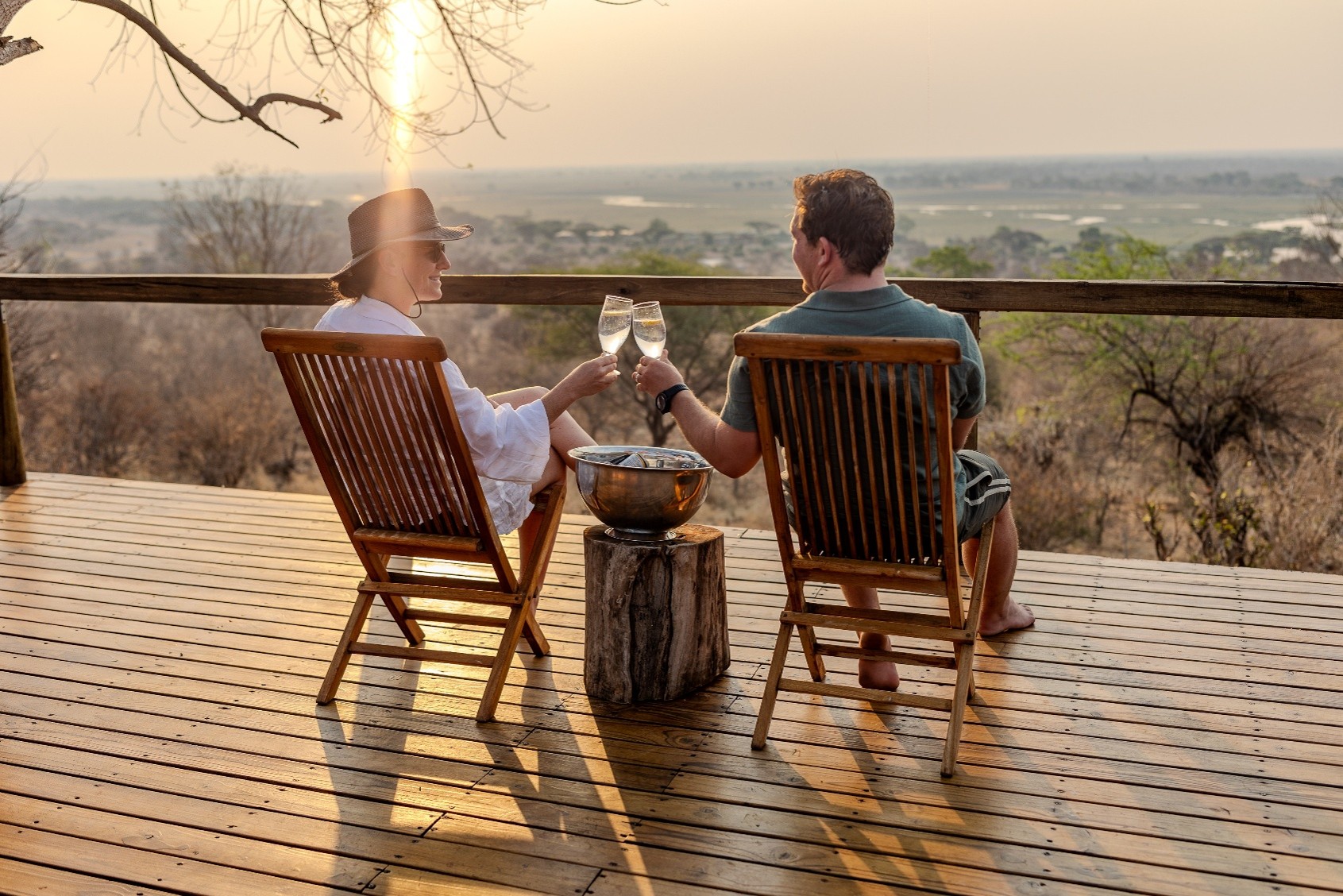
For travellers who prefer a more settled base, Bush Ways’ lodge and tented camp options can offer a more comfortable way to experience Botswana’s quieter months. This can suit those who want the atmosphere of the green season, but with more consistency in accommodation.
Bush Ways camps include:
- Sango Safari Camp – a tented camp experience in the Khwai-Moremi ecosystem, set on the edge of the Khwai River floodplains.
- Mababe Tented Camp – part of the Bush Ways collection in the Mababe area, useful for itineraries connecting the Khwai, Savuti and Chobe-side wilderness.
- Chobe Elephant Camp – a Bush Ways property overlooking the Chobe Forest Reserve, with views towards the Chobe River and surrounding wilderness.
- Boteti River Camp – a useful base for itineraries that include the Makgadikgadi and Boteti River area.
This style is particularly relevant for travellers who want to experience the benefits of green season travel, such as fewer visitors, greener landscapes and a different safari atmosphere, while keeping a stronger level of comfort and structure.
Experience Botswana Differently in the Green Season
The green season doesn’t try to replicate the dry season. It offers something else entirely.
It’s less about ticking off sightings and more about experiencing the bush as it changes. The pace is different, the landscape is more alive, and the moments often feel less staged.
For travellers open to that shift, it can be one of the most rewarding times to visit Botswana.
If you’re considering a safari and want to understand how the green season might fit your plans, speak to the Bush Ways Botswana team. We can help shape an experience that reflects both the timing and what you want to get from it.