The Complete Guide to Botswana Festivals and Events
What is the first thing you think of when someone mentions “Botswana”?
For many it might be its landscapes. The Okavango Delta, the Kalahari, the open plains, the wildlife and the rhythm of the bush.
Yet, what tends to be spoken about less is the strong cultural presence that’s less pronounced when researching the destination. This culture not only runs through everyday life but also comes into focus through the festivals and local events held across the country at different times of year.
These aren’t the large-scale, commercial gatherings that you might see in other countries like the US, and they don’t follow a fixed calendar. They take place on a local level, shaped by the communities that host them. For travellers who arrive at the right time, they offer a more natural way to experience Botswana beyond its landscapes.
This guide brings together the key festivals of Botswana, when they take place, and what to expect, helping you plan with a clearer sense of how these experiences can fit into a wider safari trip.
When to Visit Botswana for Festivals and Cultural Events
There isn’t a single festival season in Botswana (as many festivals and events take place throughout the year), but there are patterns that help when planning a trip. This is because Botswana cultural events sit around seasonal transitions, particularly during the cooler, drier months when travel is easier across the country.
From May through July at the start of the dry season, conditions are comfortable and a number of cultural gatherings begin to take place. It’s a good time to travel, not just for climate, but because itineraries tend to feel more flexible. That matters when working around events that don’t always follow a strict schedule.
August through October is the peak safari season. Wildlife viewing is at its most consistent, particularly around water sources, although festivals are less frequent during this period. They still exist, but they tend to be fewer and more dependent on location.
The green season, from November to March, brings a quieter atmosphere. The landscape changes quickly, and so does the pace of travel. Larger festivals are rare, but smaller community-led events continue in the background, often with little formal structure.
To simplify things, most travellers find it useful to think about the year like this:
- May to July: Cooler weather, with a number of cultural gatherings that start
- August to October: Peak safari conditions, fewer but still notable events
- November to March: Quieter season, with smaller local celebrations
For most visitors, the practical approach is to plan around safari conditions first, then look at where your preferred festivals fit into that window.
It’s also important to consider that festival dates in Botswana can vary from year to year, so it’s always best to plan ahead and confirm specific timings before shaping your safari itinerary around a particular event.
Key Festivals and Events in Botswana
Festivals and events in Botswana are typically local, community-led, and rooted in tradition.
They don’t follow the same format as larger international events, and they’re rarely built around visitors.
What you experience tends to reflect what’s happening naturally at the time, which gives them a more authentic and grounded feel. Below are some of the most notable festivals across Botswana, each offering a different perspective on the country’s culture.
Kuru Dance Festival (D’Kar, Kalahari) – August
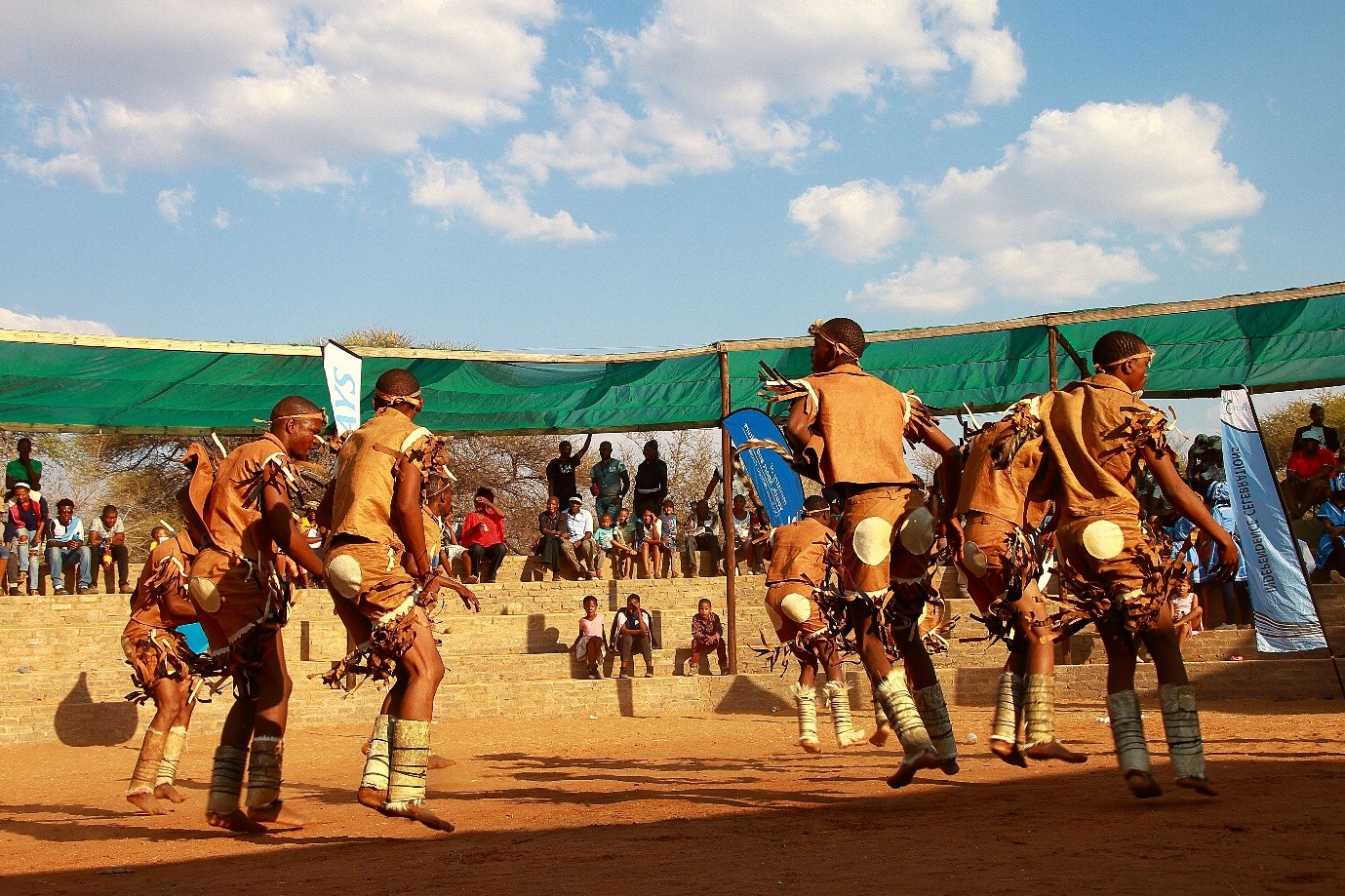
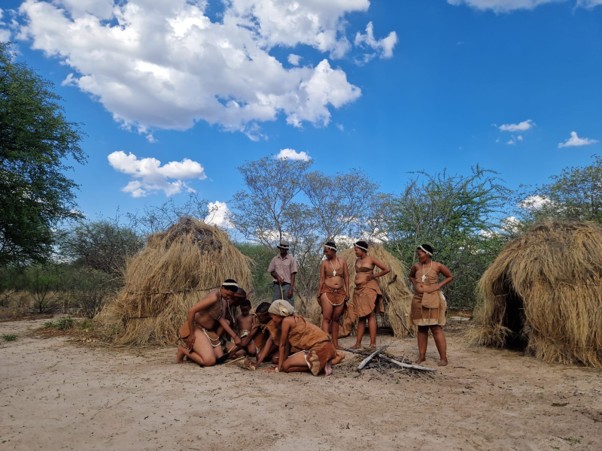
Typically held in D’Kar around August, on the edge of the Kalahari, the Kuru Dance Festival brings together San communities from across the region to share traditional dance, music, and storytelling. It’s one of the most distinctive cultural events in Botswana, both in setting and in tone.
The experience is more observational than participatory. The dances, including trance rituals, are deeply rooted in cultural practice rather than performance, and they often take place over several days, particularly in the evenings. There’s a strong sense of continuity in what’s being shared, with traditions passed between generations rather than presented for an audience.
What stands out is the setting as much as the festival itself.
The Kalahari brings a slower pace and a different perspective compared to the Delta, and that carries through into the event. It feels quieter, more considered, and less structured than many other festivals.
How to travel to the Kuru Dance Festival?
Reaching D’Kar requires a shift away from the main safari circuit. It’s better suited to itineraries that include the Central Kalahari or surrounding areas, where the pace of travel is slower and the focus extends beyond wildlife alone.
Maun International Arts Festival (Maun) – October or November
Maun is the gateway to the Okavango Delta, and for many travellers, it marks the beginning or end of a safari. The Maun International Arts Festival builds on that position, bringing together artists, performers, and creatives from across Botswana and the wider region.
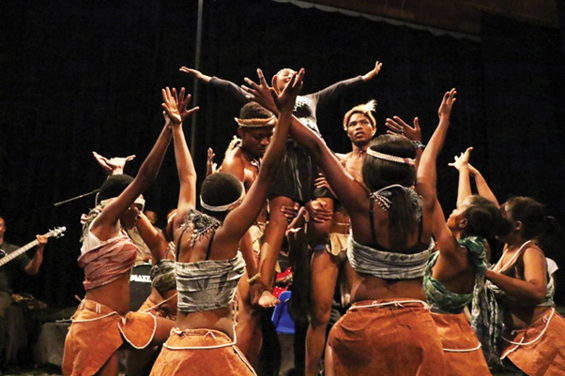
The programme typically includes a mix of visual art, live music, poetry, and performance, with events spread across different venues in and around the town. There’s a balance between contemporary work and more traditional influences, which gives the festival a broader feel without losing its local grounding.
What sets it apart is its accessibility. Unlike more remote cultural events, this is something you can experience without stepping far outside a standard safari route. It offers a shift in pace – moving from the landscapes of the Delta into a more social, creative setting – while still feeling connected to the region.
How to travel to the Maun International Arts Festival?
For travellers passing through Maun, it can be a natural addition at the start or end of a journey. It doesn’t require significant planning adjustments, but it does offer a different perspective on Botswana, one that sits alongside the wildlife rather than apart from it.
It’s also important to consider that the festival most commonly takes place across 1 week in November, although previous events have also taken place in October and December. Make sure to always check the confirmed date before deciding to experience the festival.
Dithubaruba Cultural Festival (Kanye) – September
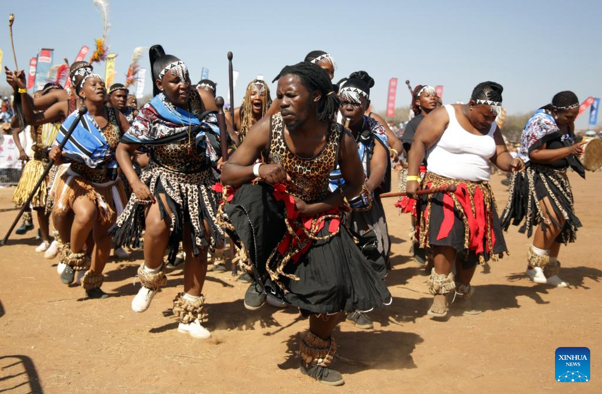
Dithubaruba is one of the more established cultural festivals in Botswana that is held in the village of Kanye usually around September. It centres on traditional music, dance, and storytelling, with a clear focus on preserving Setswana heritage.
The festival is grounded in community rather than performance. Events take place within the village itself, often around the kgotla (traditional meeting place), where gatherings have long been part of everyday life. This gives the experience a more open and informal feel, with visitors observing rather than being the focus of what’s taking place.
There’s a strong sense of continuity throughout the festival. What’s shared isn’t staged or adapted, but part of a wider effort to keep traditions visible and relevant across generations. That makes it easier to engage with, even without a detailed understanding of the context.
How to travel to the Dithubaruba Cultural Festival?
Kanye sits in southern Botswana, away from the main safari regions. Visiting would require a more tailored route through this part of the country, rather than a typical Delta or Chobe-based itinerary. For those who do make the journey, it offers a clearer view of Botswana’s cultural traditions beyond the usual travel routes.
President’s Day Celebrations (Nationwide)
President’s Day is observed across Botswana, usually in July, with events taking place in towns and villages rather than being centred in a single location. It’s a national holiday, marked in different ways depending on where you are at the time.
Celebrations tend to be local and varied. In some areas, there are small parades, performances, and organised gatherings, while in others the day is more informal, with communities coming together in a less structured way. The atmosphere is generally relaxed, with a focus on participation rather than spectacle.
Because it isn’t tied to one specific venue, what you experience will depend on your route. For travellers already moving through the country, it can appear naturally within the journey rather than something to plan around.
It doesn’t carry the same cultural focus as some of the more traditional festivals, but it offers a different perspective. A chance to see Botswana in a more everyday setting, shaped by how people choose to mark the occasion in their own communities.
Local and Regional Events
Alongside the more widely recognised festivals, smaller events take place throughout the year across different parts of Botswana. These are often tied to local traditions, seasonal changes, or community gatherings, and they don’t always appear in formal calendars.
What you come across will vary depending on where you are.
In some areas, it might be a village celebration or a local ceremony, while in others it could be something more informal, shaped by the time of year and the people involved. There’s rarely a clear start or end point, and that’s part of what makes these moments feel more connected to everyday life.
Because they’re not widely publicised, experiencing them often comes down to timing and local awareness. For travellers moving through northern Botswana in particular, these encounters tend to happen more organically, guided by those who understand what’s taking place on the ground.
What to Expect at Festivals in Botswana
If you manage to visit a festival during your time in Botswana it can be helpful to arrive with a sense of what to expect.
Festivals in Botswana are generally smaller in scale and less structured than many travellers are used to; you might find gatherings centred around music and dance, with people coming and going rather than following a set programme.
You won’t always find fixed schedules or clearly defined timings. Events tend to unfold at their own pace, influenced more by the rhythm of the day than a formal plan. That sense of unpredictability is part of the experience, rather than something to work around.
In practice, this often means:
- Timings are flexible
- The atmosphere is more participatory than staged
- The focus stays with the local community
Food also tends to be prepared locally, and there’s a strong sense of shared space rather than a defined performance for an audience. It’s not uncommon for things to build gradually over the course of a day, with no clear start or finish.
Botswana Cultural Etiquette
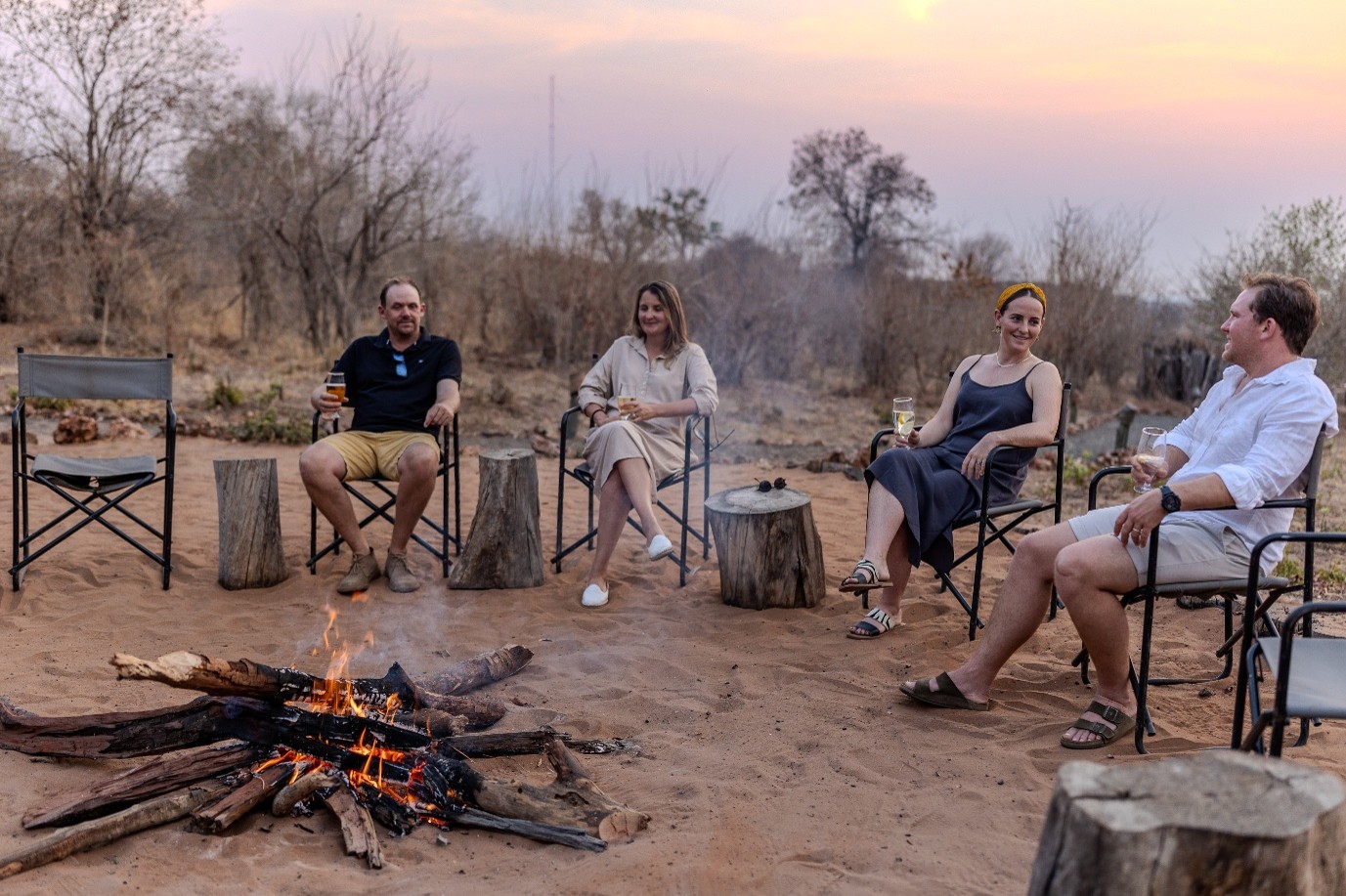
A thoughtful approach goes a long way when attending festivals in Botswana. The atmosphere is generally open and welcoming, but these events aren’t built around visitors, so it helps to be aware of your surroundings and how you engage.
While there isn’t usually a strictly enforced etiquette, it’s always polite to follow a few simple principles:
- In most settings, dressing modestly is appropriate, particularly in rural areas.
- Photography should be approached with care, and it’s always best to ask before taking photos of individuals.
- There are also moments within festivals that carry cultural or spiritual significance, even if they aren’t clearly signposted.
- Taking time to greet people properly is appreciated and helps set a respectful tone.
- It’s often best to observe from the edge of a gathering before stepping in, rather than moving straight into the centre of activity.
- Keeping your approach low-key and not drawing too much attention to yourself helps maintain the flow of what’s happening.
Taking a step back to observe before getting involved tends to set the right tone. Travelling with an experienced guide can make this easier, offering context where it’s needed and helping you move through these situations with a bit more confidence.
Experiencing Botswana Festivals With Bush Ways
Festivals in Botswana aren’t defined by scale or spectacle, and they don’t follow a set calendar. What you experience depends as much on timing as it does on place.
When they do align with a journey, they tend to feel like a natural extension of it. Not something separate to plan around, but moments that sit alongside the authentic wildlife and landscapes, adding context to what you’re already seeing. Taken together, they offer a broader view of Botswana.
As a Botswana-based safari operator, Bush Ways Botswana can help travellers understand which cultural events may realistically fit into a wider safari itinerary. Some, such as events in Maun, may align naturally with northern routes into the Okavango Delta, while others, such as Dithubaruba or Kuru Dance Festival, require more specific planning around southern Botswana or the Kalahari.
If you’re considering a trip, speak to our team today! We can help shape an itinerary that reflects both the landscapes and the culture that define Botswana.