How Botswana Safari Tourism Supports Remote Communities and Wildlife Conservation
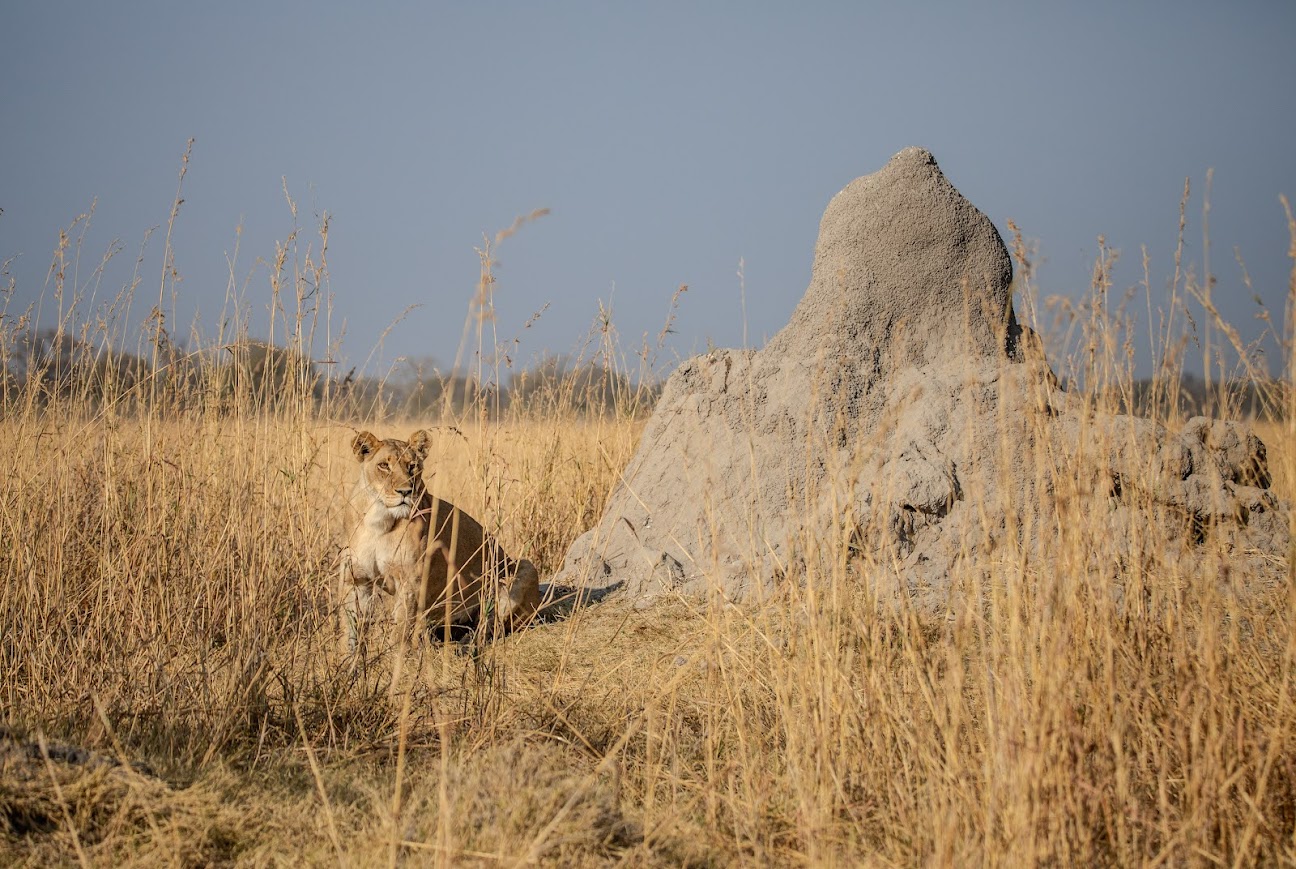
Botswana is one of Africa’s most respected safari destinations, known for the Okavango Delta, Chobe National Park and the Kalahari. It is home to some of the most memorable wildlife experiences on the continent.
Behind every safari, though, sits a wider system of people and decisions that shapes who actually benefits. Done well, safari tourism in Botswana funds the protection of huge wild areas and creates skilled work in remote regions, while channelling revenue back to the communities who live alongside the wildlife.
Thirty years of guiding here have shown us how closely the health of these communities and ecosystems is tied to tourism, and it’s why long-term sustainability sits at the centre of what we do. Through the Bush Ways Foundation, that commitment to Botswana’s people and wild places carries on well after the game drive ends.
This guide explains how it all fits together, and what responsible travel looks like once you are actually in the bush.
Why Safari Tourism Matters in Remote Botswana
Unlike many safari destinations in Africa, Botswana has built much of its tourism identity around a high-value, low-volume approach. The result is a safari experience that often feels quieter, more spacious and more closely connected to the wilderness.
This is because many of Botswana’s wildlife habitats sit within remote concessions, reserves and protected areas where everyday economic opportunities can be limited. Safari tourism gives these landscapes long-term value in a way that supports both local livelihoods and conservation.
Places such as the Okavango Delta, Moremi Game Reserve and the Makgadikgadi are shaped by distance, seasonal change and limited infrastructure. For communities living in or near these areas, however, remoteness can make employment opportunities harder to access. Safari tourism can help bridge that gap by bringing employment and income into areas where other forms of work may be limited.
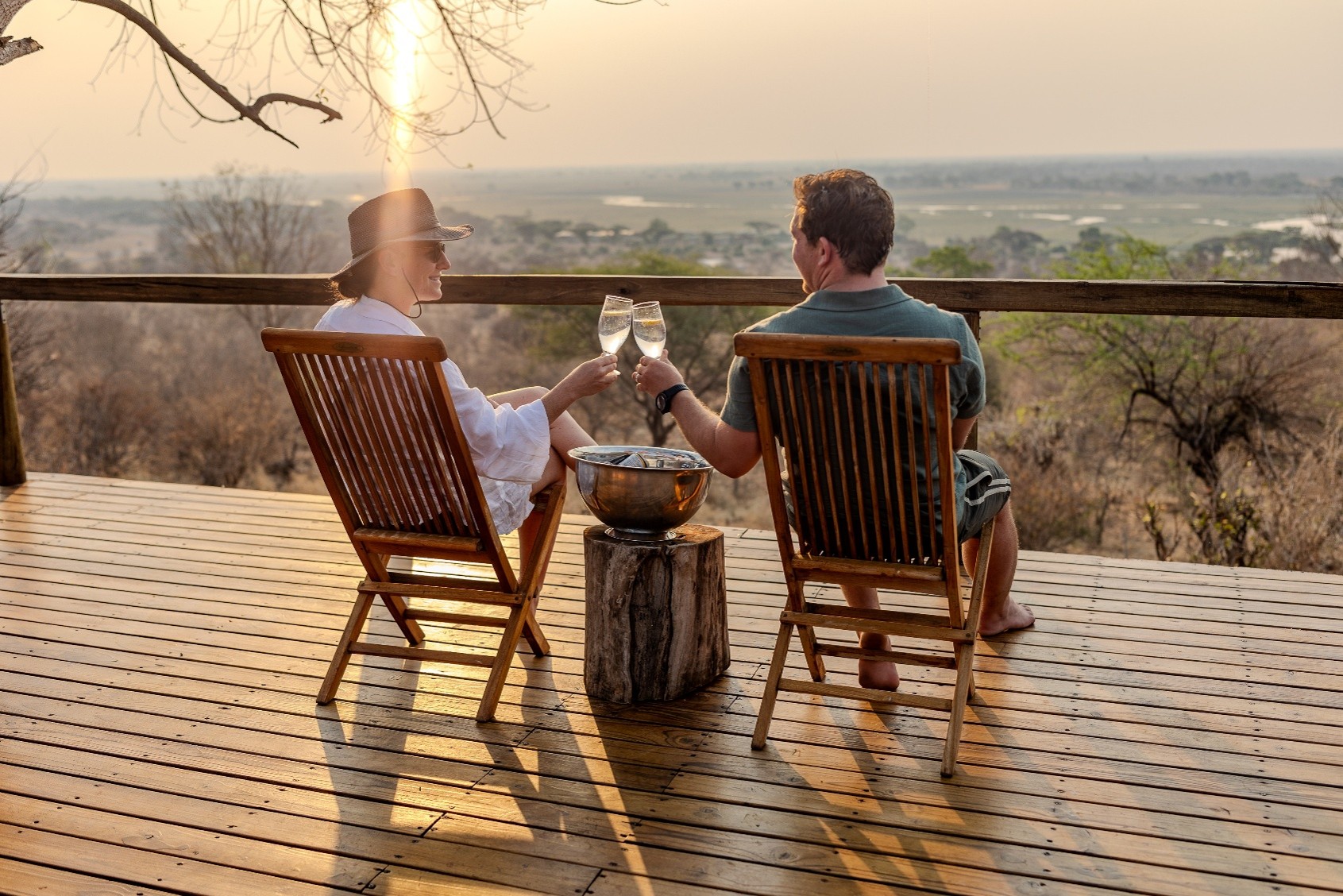
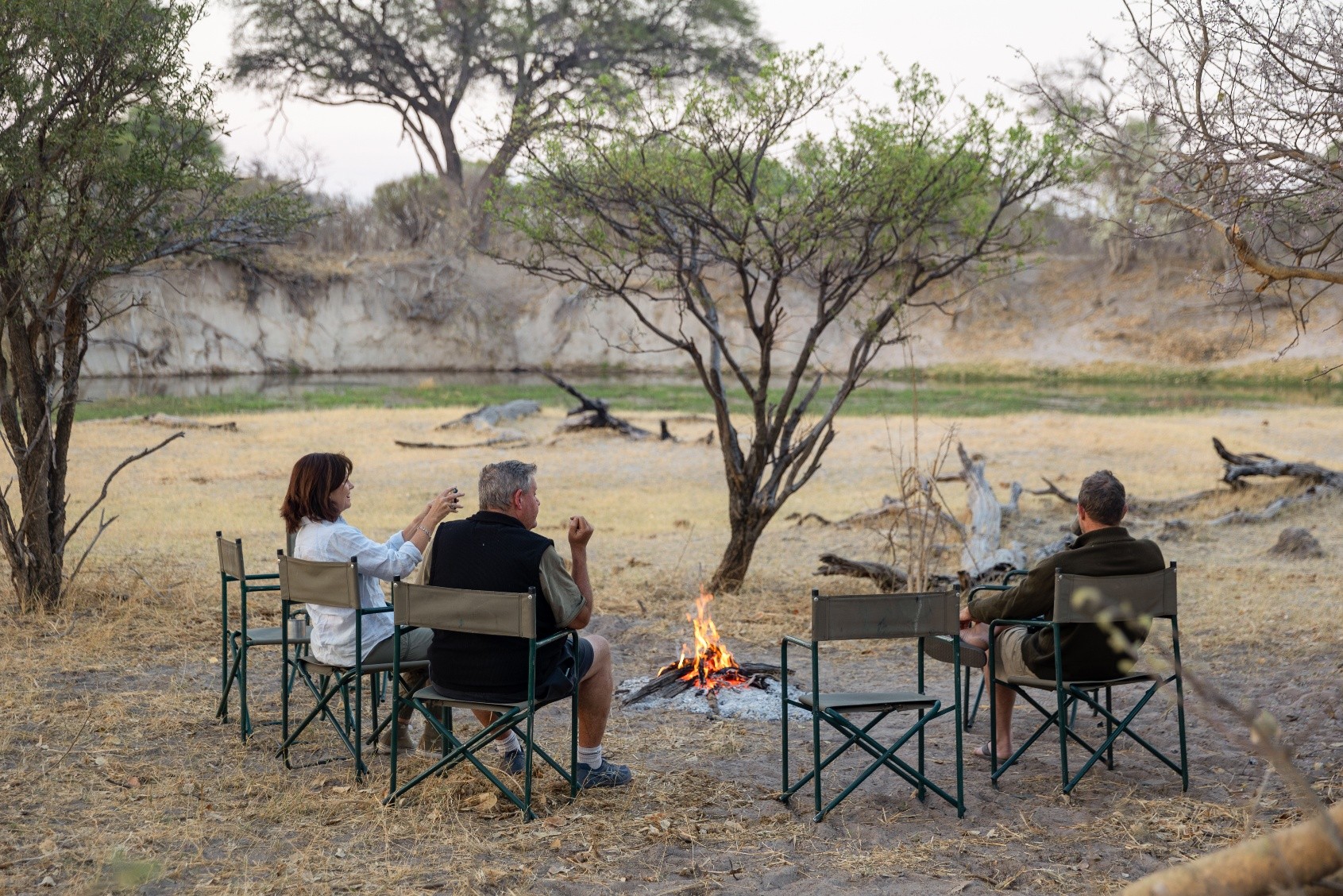
This is where the Bush Ways ethos supports wider communities. Our small-group safari travel, mobile camping, experienced guiding and low-impact access all sit within Botswana’s wider conservation-led tourism model. The aim is to provide an experience that treats the country’s landscapes with care.
How Safari Tourism Supports Remote Communities and Wildlife Conservation
Below are some of the ways safari tourism can support local communities and wildlife conservation, especially when it is delivered through a responsible, locally connected operator.
Creating Local Employment Around Wild Places
One of the clearest ways safari tourism supports remote communities is through employment. A single safari supports a surprising number of livelihoods, and most of those roles are filled locally. On any given trip you might depend on:
– Expert guides and trackers who have grown up in Botswana and have a deep understanding of the landscape.
– Camp managers, chefs and hospitality teams.
– Drivers, mechanics, and the logistics crews who keep remote camps supplied.
These roles can provide stable income and long-term professional development for people connected to safari areas. It can also create career pathways where someone may begin in a junior camp role and later move into guiding or operations. When local people are trained and employed in these roles, tourism helps turn local knowledge into respected professional expertise.
For many families in northern Botswana, dependable work in tourism is among the most reliable income available, particularly in areas a long way from towns and other industries. These jobs also depend on healthy wildlife areas and protected landscapes which helps to ensure wildlife conservation efforts are maintained.
Building Skills and Career Pathways
Safari work can also create routes into skilled, long-term careers. Newer team members learn on the job, move between roles, and gain qualifications that hold their value across the wider industry.
Guiding is a good example as it requires far more than the ability to identify wildlife. A guide needs to understand animal behaviour, safety, tracking, guest communication, local ecology and the rules of responsible viewing. They must make decisions calmly, often in remote places where experience matters. This also helps to support wildlife conservation as a well-trained guide can help guests understand why wildlife is fundamental to the area.
The Bush Ways Foundation backs this directly through the Anthony Birtles Scholarship, which funds a full year of professional guide training at the African Guide Academy in Maun, internship included. One promising person at the start of their career gains a route into a profession that can support them for decades.
Supporting Local Supply Chains
The impact of safari tourism also reaches beyond direct employment.
Camps and mobile safari operators rely on supplies and services to operate safely and comfortably. The more operators can source locally and work with Botswana-based partners, the more value remains connected to the country.
For a mobile safari, this can mean:
- – Vehicles serviced in Maun before departure
- – Food and camp supplies prepared locally
- – Fuel and equipment organised by ground teams
- – Maintenance support available before vehicles move into remote areas
Plenty of small businesses that never deal with a tourist directly still rely on the trade that tourism brings through their door. This makes the local supply chain an important part of the wider conservation economy, because when wilderness areas support regional livelihoods, there is greater value in keeping those landscapes wild and functional.
Supporting Conservation Through Tourism Revenue
In Botswana, some of the most important benefits of safari tourism are built into the way land itself is managed.
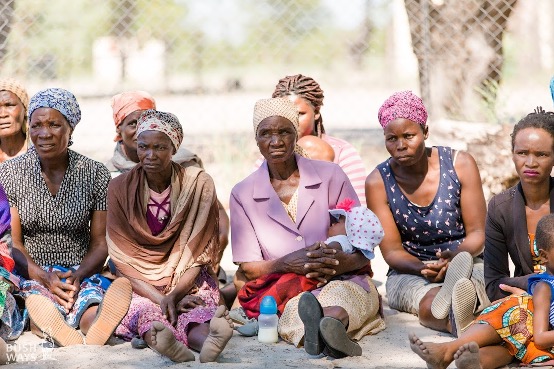
Under Botswana’s approach to community-based natural resource management, usually shortened to CBNRM, communities hold rights over the wildlife areas on their doorstep. Through community trusts, they can lease those areas to safari operators or run tourism ventures of their own, and the fees and revenue that follow flow back into the community.
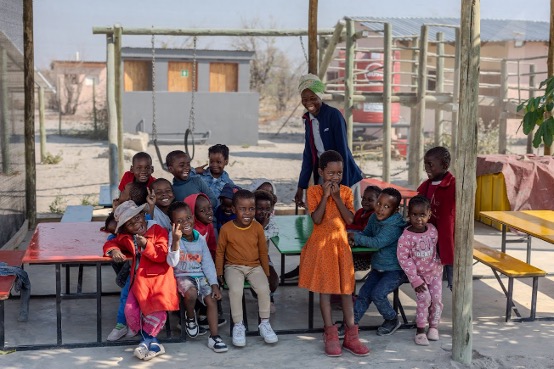
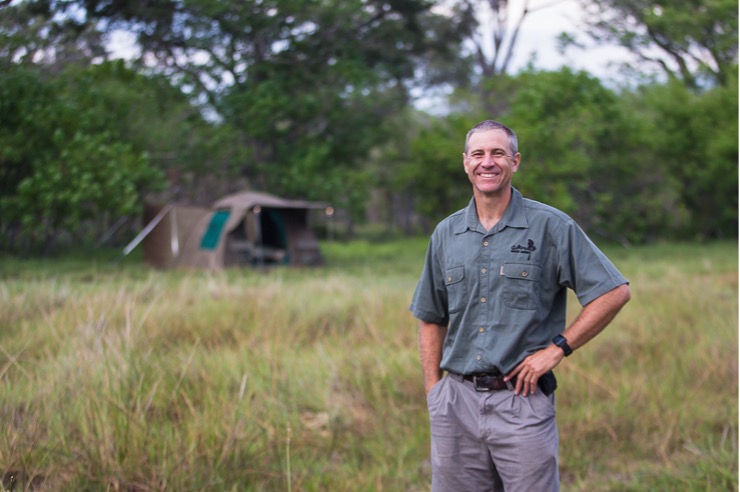
One such example is the Khwai Development Trust. This trust represents the interests of the Khwai Village community in one of northern Botswana’s important wildlife areas, positioned between Moremi Game Reserve and Chobe National Park. The Khwai area is an important part of the Bush Ways story. We operate safaris in the wider Khwai-Moremi region, and the Foundation continues that relationship through support for Khwai preschool and conservation work in nearby Khwai and Mababe.
Depending on the area and community trust, this revenue can support local priorities such as village projects, education, enterprise or infrastructure. The principle behind it is simple. The people who live with wildlife, and who carry the everyday costs of doing so, should share directly in the value it creates. Safari tourism helps keep protected areas, concessions and wildlife habitats economically viable without needing to convert them into other uses.
Encouraging Responsible Wildlife Viewing
The way guests experience wildlife matters.
Responsible wildlife viewing allows animals to behave naturally. It means keeping respectful distances, avoiding unnecessary pressure and understanding when to stay still, move back or leave a sighting altogether.
Good guides are central to this. They understand how animals respond to vehicles, voices, movement and crowding. They also know that patience often creates a better experience than rushing. A quiet sighting, watched carefully, can be far more rewarding than a hurried view from too close.
This is especially important in sensitive wilderness areas. The goal is not just to see wildlife, but to experience it in a way that respects the animal, the habitat and the people who manage the landscape.
What Is the Bush Ways Foundation?
The Bush Ways Foundation is the community-impact arm of Bush Ways, created to turn our responsible tourism ethos into practical support for people, wildlife and wild places.
It is our way of giving something lasting back to the communities and wild places that make our safaris possible. It exists to create meaningful, lasting impact through practical, people-centred initiatives, working alongside partners, donors and volunteers to turn everyday resources into real social, environmental and economic opportunity. Its focus is northern Botswana, the region we have called home and worked in daily for decades.
The Foundation brings together several areas of support, each connected to the wider relationship between safari tourism, community wellbeing and conservation. Below are just some of our initiatives:
- – Early childhood education that includes supporting preschool learning environments in remote communities such as Khwai and Kavimba through improved spaces, learning materials and practical school support.
- – Our upcycle programme aims to turn recycled glass into handcrafted products, reducing waste while supporting local skills, enterprise and income opportunities.
- – We support practical conservation work that removes snares and helps protect wildlife in areas such as Khwai and Mababe.
- – Our Anthony Birtles Scholarship helps the next generation of Botswana safari guides access professional training, work experience and meaningful career pathways.
- – We work with local partners and organisations to deliver practical support where it is needed most.
Why Responsible Safari Tourism Matters for Botswana’s Future
Botswana shows what safari tourism can be when it is done with care. Remote communities gain opportunity and a real stake in the land around them. Wildlife keeps the protected, connected habitat it needs to thrive. And the wilderness that draws travellers here in the first place stands a far better chance of still being here for the generations to come.
For Bush Ways, this connection sits at the heart of the safari experience. Expert guiding, low-impact travel, community support and conservation awareness are part of the same wider responsibility.
To explore safari experiences shaped by local knowledge, conservation awareness and authentic access to Botswana’s wilderness areas, view our safaris or speak to one of our experts today.
You can also learn more about the Bush Ways Foundation and the projects supporting communities, education and conservation across northern Botswana.