What to pack for a Botswana Mobile Camping Safari: The Ultimate Checklist
Packing for a Botswana mobile camping safari is very different from packing for a typical holiday. With limited luggage space, remote locations, and unique experiences day-to-day, every item you bring needs to be considered carefully.
This guide provides a complete, expert-led checklist based on real mobile safari conditions, helping you pack efficiently, stay comfortable, and make the most of your experience in the bush.
Understanding Mobile Camping in Botswana
Before diving into the checklist, it is helpful to understand how mobile safaris work and how they differ from a standard camping safari.
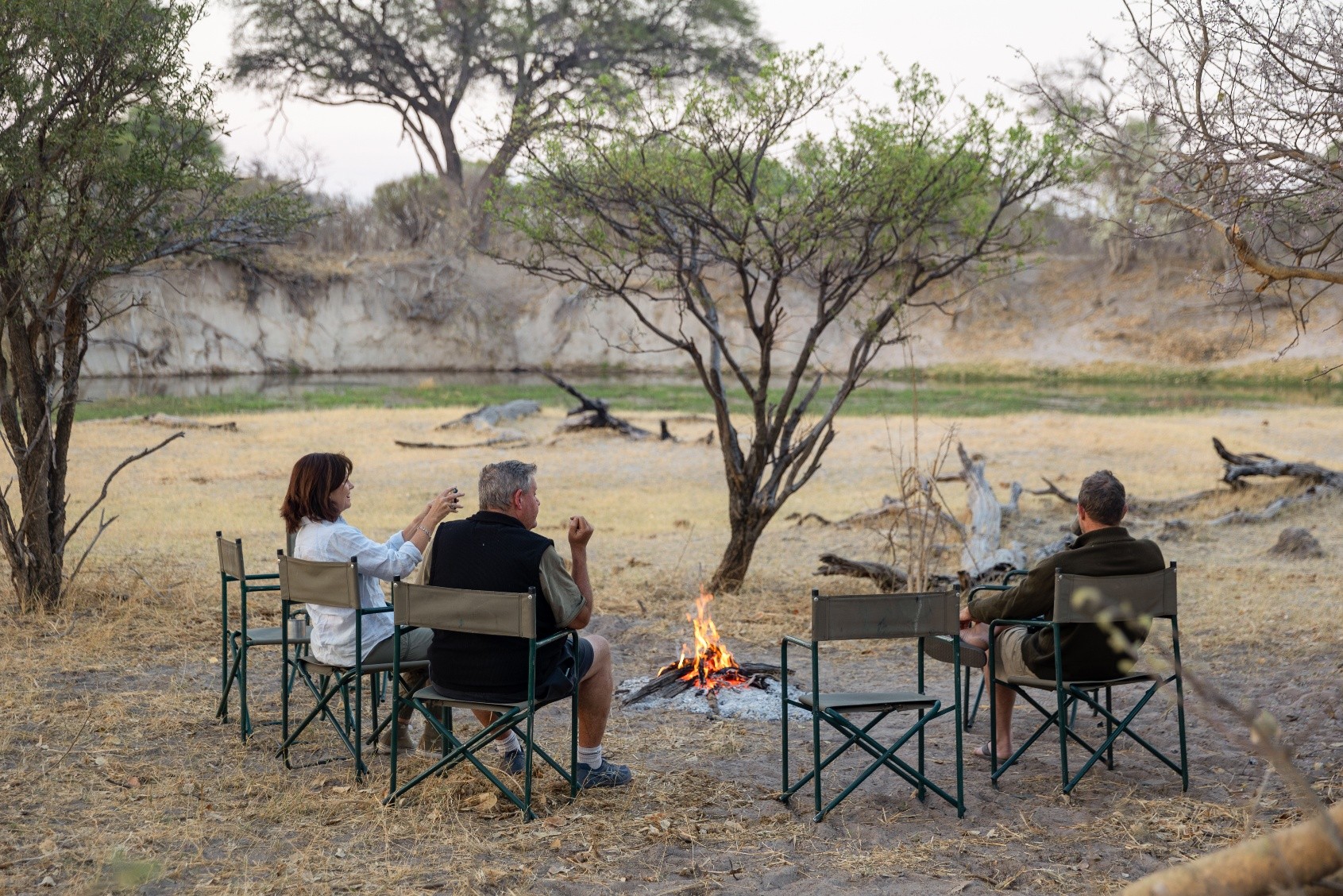
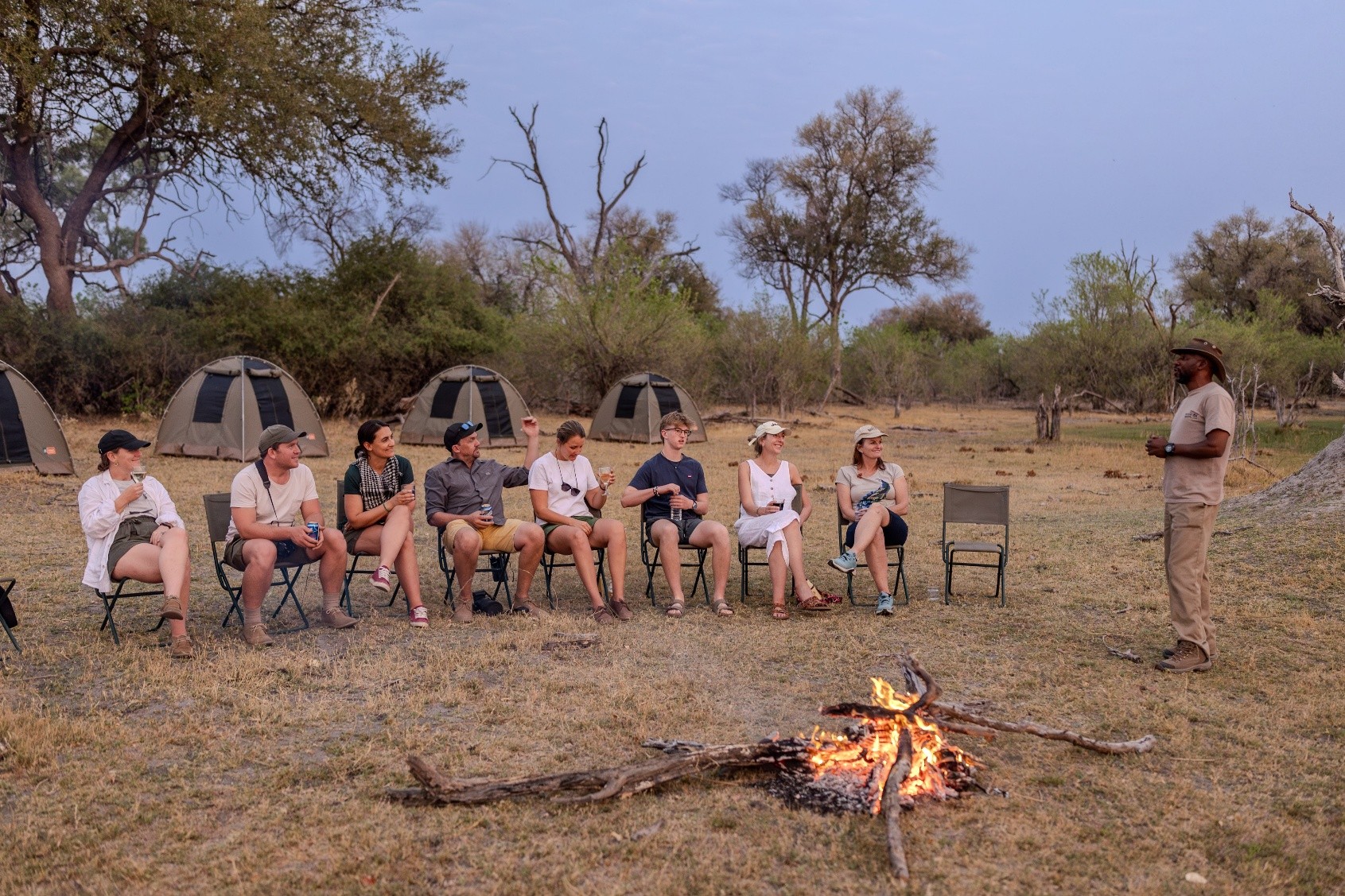
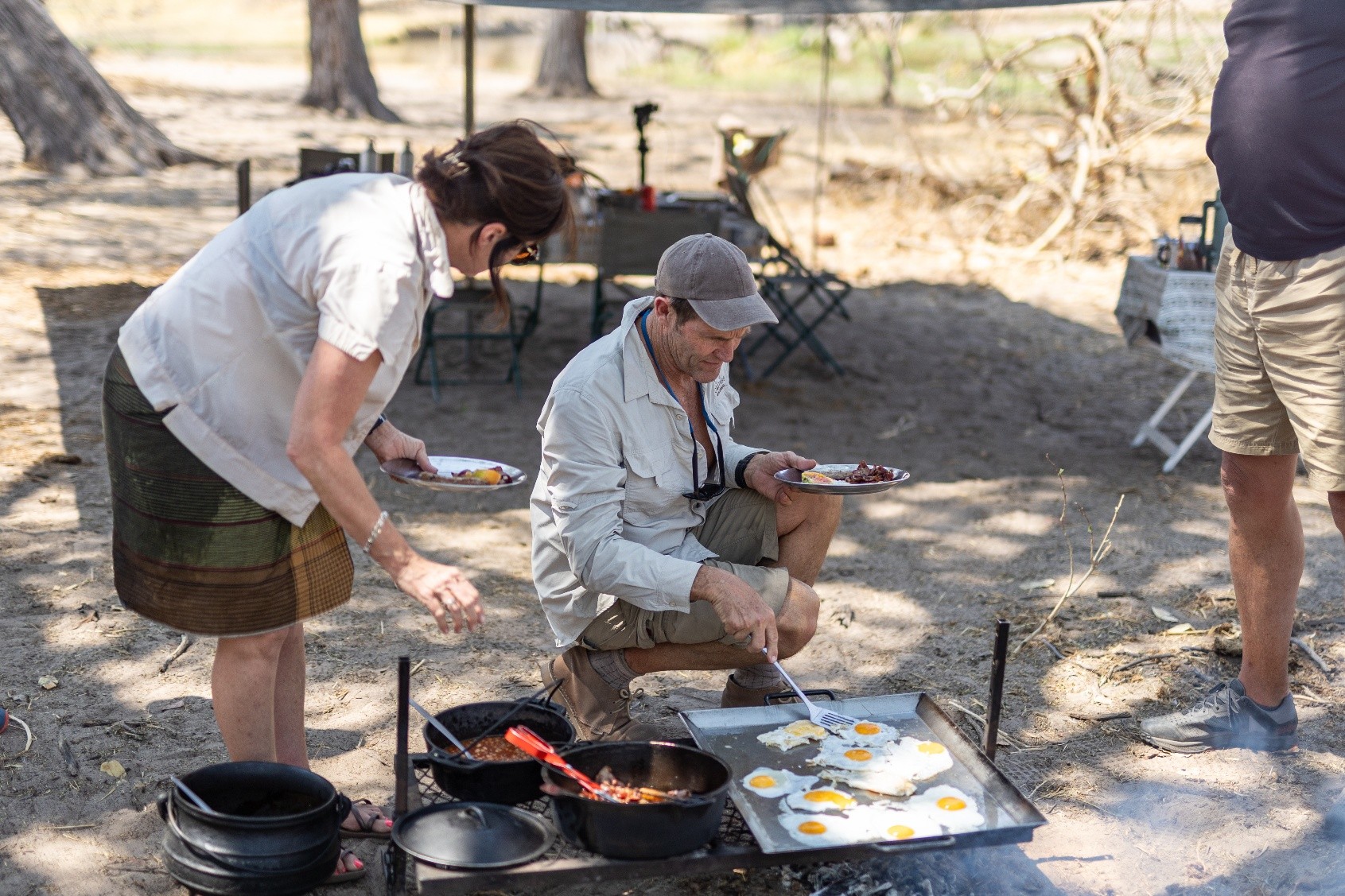
Unlike lodge-based stays, camps move with you, luggage is transported in safari vehicles, and storage space is limited, often in soft bags rather than hard suitcases.
Temperatures can vary significantly between early mornings, midday heat, and cooler evenings, particularly in the Okavango Delta and Kalahari regions. Dust, sun exposure, and long game drives also shape what you’ll realistically need.
Botswana Safari Packing Checklist
Packing the correct items for a safari is key as with limited luggage space, every item counts. Below are some of the key items you should consider bringing with you.
Clothing
- Lightweight, breathable shirts (long and short sleeve)
- Neutral colours (khaki, green, beige – avoid bright colours)
- Warm layer (fleece or jacket for early drives)
- Lightweight trousers/shorts
The key with clothing is adaptability.
Early mornings and evenings can be cooler, while afternoons are often hot, so packing adaptable layers is important.
Neutral colours are recommended, as bright clothing can make guests more visible in the bush and may be distracting during wildlife viewing.
Footwear
- Comfortable walking shoes or trainers
- Sandals or camp shoes
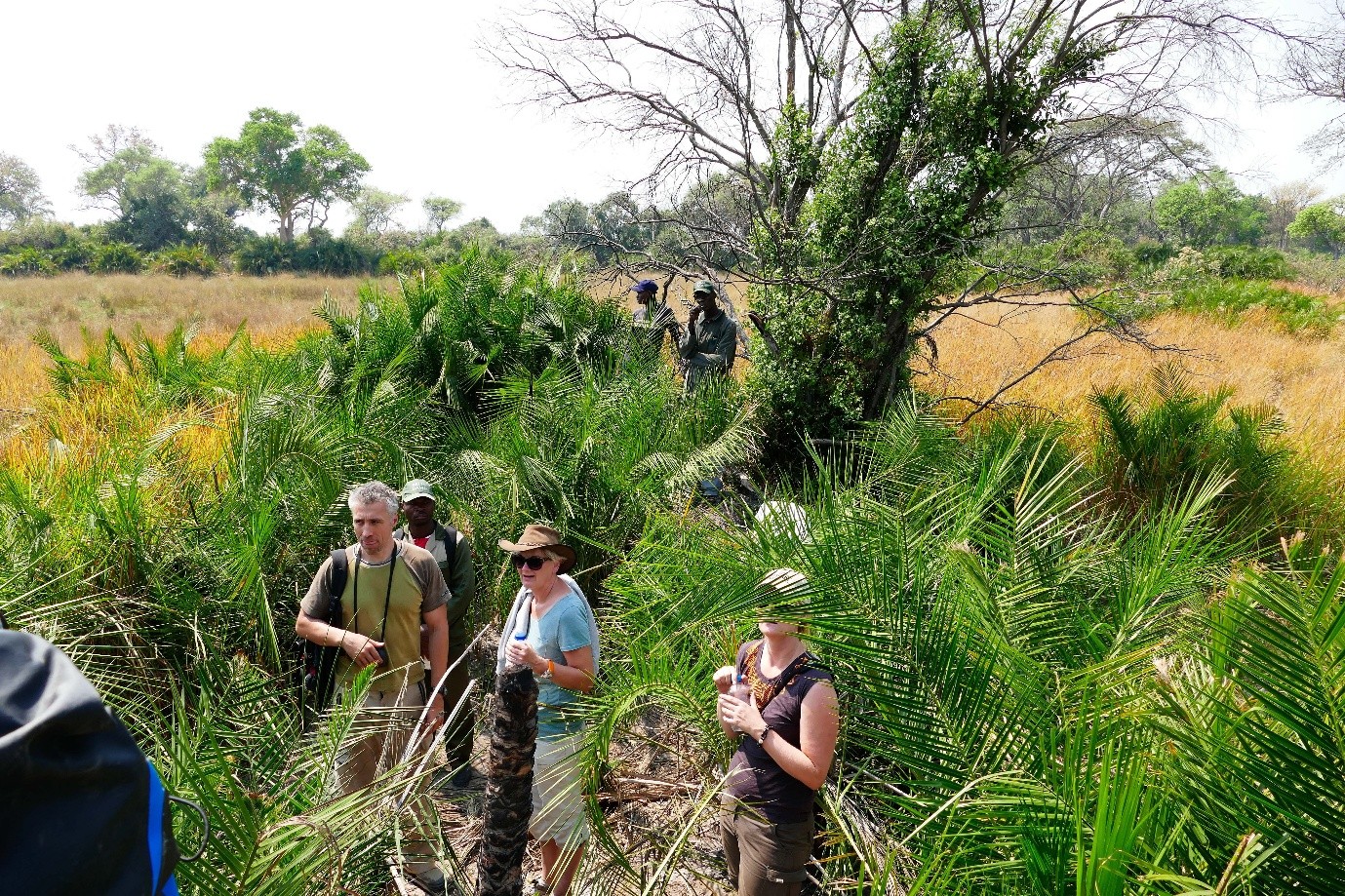
Suitable footwear is essential; make sure you bring comfortable walking shoes or trainers as you will be doing a lot of walking and exploring on your trip.
Safari Accessories
- Wide-brim hat or cap
- Polarised sunglasses
- Lightweight scarf
- Small daypack
A hat or sunglasses is recommended to stay safe during sun exposure on your safari drives and walks.
Toiletries & Health Essentials
While Bush Ways provides many safari essentials, bringing personal toiletries and health items helps ensure comfort throughout the trip. Insect repellent, personal medication and a basic first aid kit is recommended, as mobile safaris often travel through remote areas where immediate access to shops or pharmacies may be limited.
Personal items to bring might include:
- Sunscreen (SPF 30+)
- Insect repellent
- Personal medications
- Basic first aid kit
- Wet wipes/hand sanitiser
Tech & Equipment for Safari
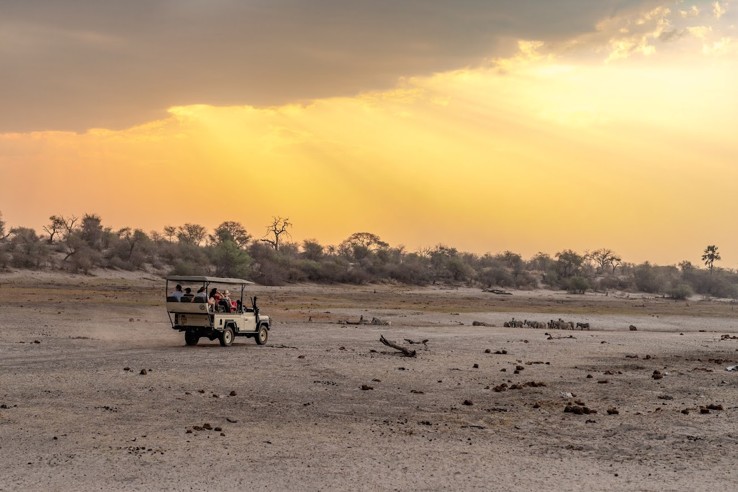
Technology is not essential on a mobile camping safari, but a few small items can enhance the experience, particularly for photography and wildlife viewing.
Guests bringing a camera should consider packing spare memory cards, spare batteries, and a portable power bank, as electricity may be limited to generator or solar power in remote camp settings.
Planning ahead is essential so you don’t miss out on capturing your safari experience.
Photography & Wildlife Viewing
- Camera with zoom lens (200mm+ recommended)
- Spare batteries and memory cards
- Binoculars
Power & Connectivity
- Universal travel adapter
- Power bank
Bush Ways Luggage Requirements
Luggage requirements are an important part of preparing for a Botswana mobile camping safari, as storage space in safari vehicles and trailers is limited.
We advise that guests travel with one large soft-sided kit bag or rucksack, along with one item of hand luggage, such as a small backpack that can be kept close during travel.
Hard suitcases should not be brought on safari, as they are difficult to pack into safari trailers and may also create issues where light aircraft flights are included. Semi-hard suitcases should also be avoided.
Luggage allowances vary depending on the safari style:
- Adventure Camping: main luggage should not exceed 12kg, with a maximum size of 700mm x 350mm x 350mm.
- Premium Camping: main luggage should not exceed 18kg, with a maximum size of 700mm x 350mm x 350mm.
For Adventure Camping safaris, sleeping bags can be carried outside the main luggage allowance. If your itinerary includes time in the Okavango Delta, you should only pack what is needed for 2–3 nights in a smaller bag, as the main luggage remains securely with the vehicle.
You will also need fewer clothes than expected on safari, so packing light is strongly recommended. This helps keep luggage manageable while making it easier to move between camps throughout the journey.
Optional Items That Enhance Your Experience
- Travel journal or notebook
- Field guide to African wildlife
- Reusable water bottle
- Headlamp or small torch
What NOT to Pack
- Brightly coloured clothing
- Excessive luggage or heavy items
- Drones (restricted in many safari areas)
- Plastic bags (banned in Botswana)
Seasonal Packing Tips (Dry vs Green Season)
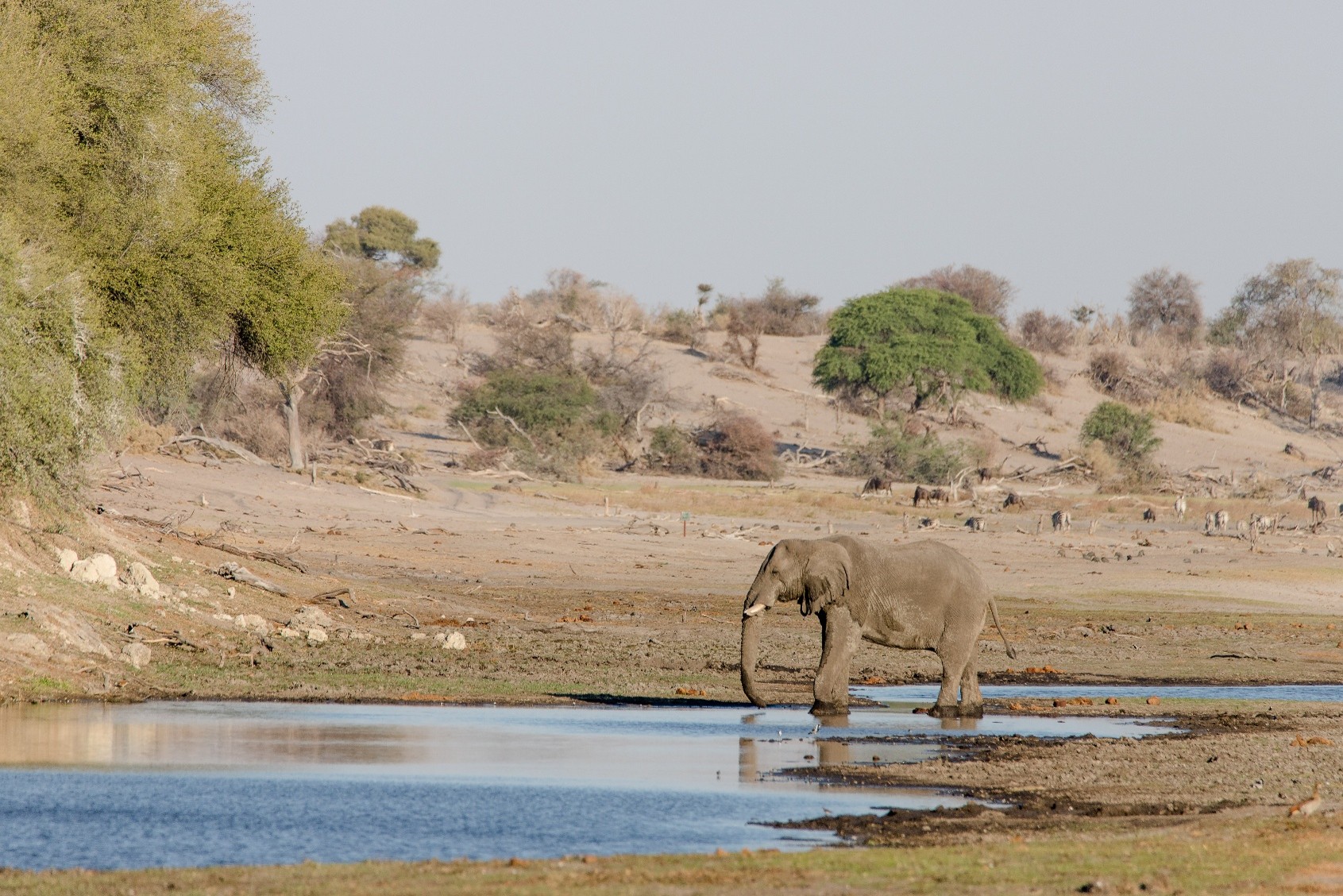
Packing for a Botswana safari isn’t just about what you bring, it’s about when you travel. Conditions can vary significantly between the dry and green seasons, from temperature shifts to rainfall patterns, and these changes directly impact what you’ll need day to day. Understanding these seasonal differences will help you pack more efficiently, avoid unnecessary items, and ensure you stay comfortable throughout your safari experience.
Ready for Your Botswana Safari?
Packing well is the first step to an unforgettable safari. With the right preparation, you’ll be able to focus on what matters most, wildlife encounters, incredible landscapes, and the experience of being fully immersed in the Botswana bush.
Ready to book your Botswana safari? View our safaris or speak to our experts today.