What Predators Can You See on a Botswana Safari?
There are many draws to a wildlife safari, from the beauty of the landscape to the chance to see animals moving freely through some of Africa’s most remarkable wilderness areas.
However, one key experience a Botswana wildlife safari offers is the opportunity for predator sightings. The chance to see lions, leopards, cheetahs, hyenas or African wild dogs all in their natural environment is one of the experiences that other safari destinations can’t match.
Yet seeing these predators is rarely down to luck alone. Sightings are shaped by habitat, season, animal movement and the time you spend in the bush, as well as the knowledge of your guide reading the signs around you.
This blog covers the main predators you may encounter on a Bush Ways Botswana safari, where they are most often seen, and how our experienced guides find and interpret them. Thirty years of guiding across Botswana’s wilderness areas has taught us that the story around a sighting often matters as much as the sighting itself.
Botswana Predators You May See on Safari
Botswana’s protected landscapes provide rich conditions for its native predators. Below are the predators you are most likely to look for on a Bush Ways safari, along with a sense of how and where each tends to be seen.
Lions
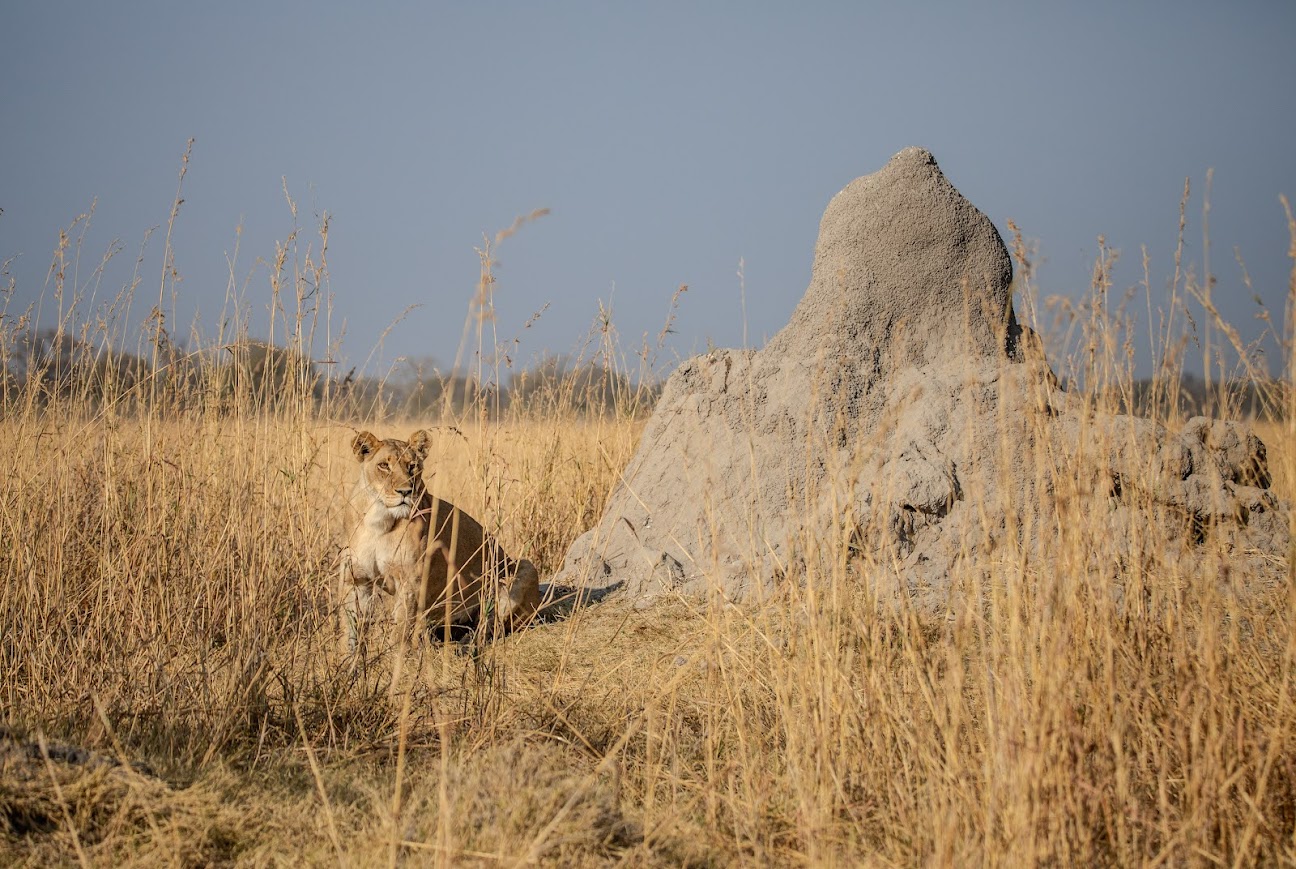
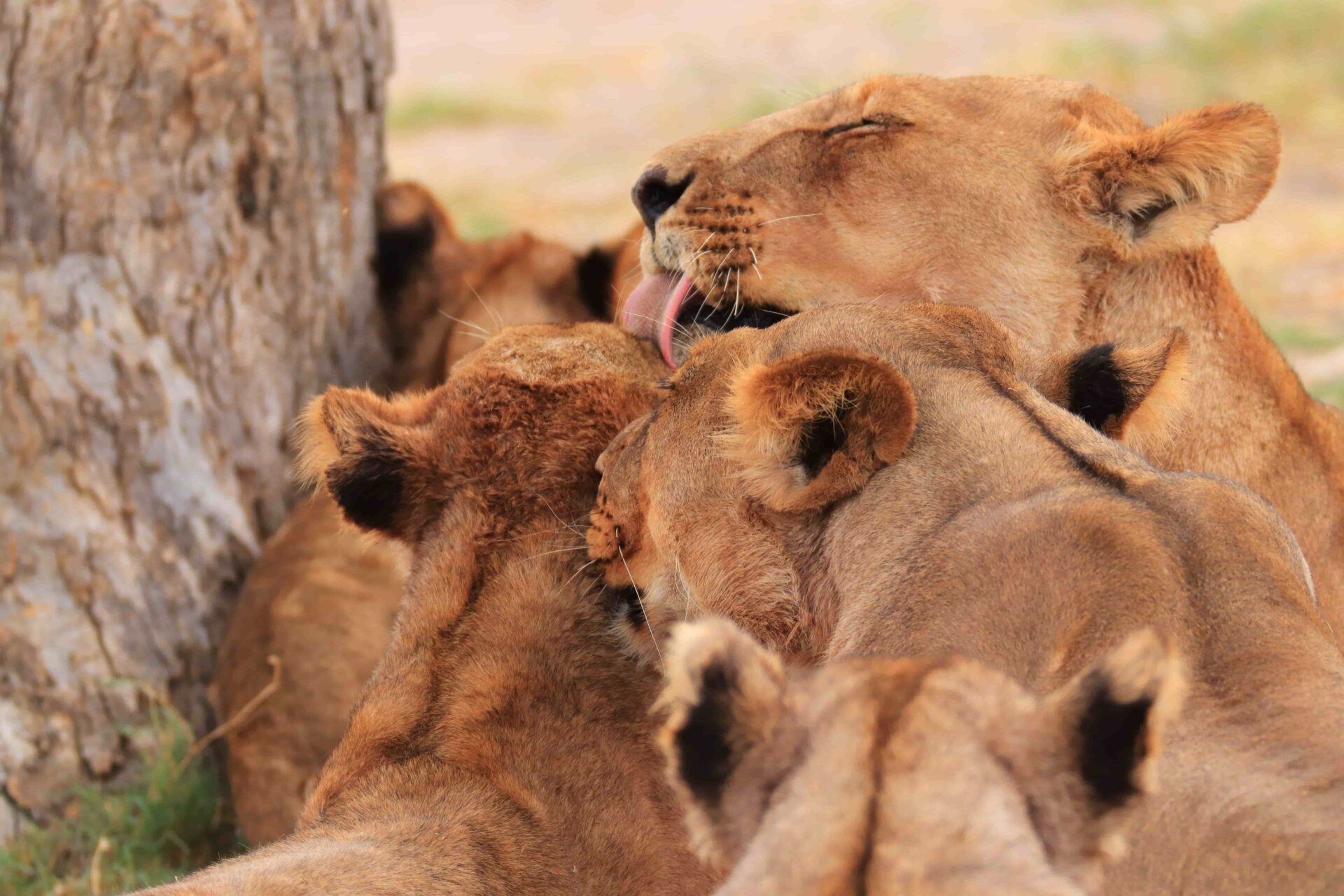
Lions are among the most iconic predators in Botswana. They are powerful and often at the centre of the predator-prey story in areas such as Savuti, Chobe, Moremi and the wider Okavango region.
Unlike leopards and cheetahs, lions are social cats. They live in prides with complex dynamics between related females, their cubs and the dominant males that hold the territory. Much of their day is spent resting, which is why sightings are often most rewarding in the early morning and late afternoon when lions are more active and the light is at its best.
To locate lions, Bush Ways guides may look for large paw prints in the sand, drag marks from a kill, vultures waiting nearby, or herbivores that appear restless and alert.
A lion sighting often begins with these smaller details. Sometimes the animal is not seen immediately. Instead, the guide builds a picture from the evidence and decides whether it is worth waiting, circling back, or moving quietly through the area.
Lions are often a key species to look for on the Bush Ways Serval Safari which travels through Moremi, Savuti / Chobe and Chobe National Park, with Savuti in particular known for its strong predator presence.
What is The Best Time of Year to See Lions?
Lion sightings are possible year-round, but the dry season from May to October often gives guests the clearest viewing conditions. With thinner vegetation and animals moving towards reliable water, guides can read tracks and movement more easily in areas such as Savuti, Chobe and Moremi.
Leopards
Leopards bring a very different kind of excitement to a safari. They are more solitary and secretive. They favour riverine woodland, thickets and areas with good cover, which makes them harder to spot than a pride of lions resting in the open. As such, leopard sightings can feel especially rewarding because they are rarely obvious, leading to a grand sense of discovery.
Leopards may be seen in areas such as Moremi, the Okavango Delta and along wooded river systems where prey is available and trees provide cover. They are often active in the cooler hours, although a leopard resting on a branch or watching from the shade can also be seen during the day.
Because of this, leopard sightings often reward time and quiet observation rather than speed. Our guides look for subtle clues: fresh tracks along a sandy road, drag marks where a kill has been moved, an alarm call from a troop of baboons, or impala and other prey suddenly fixed and staring into thick cover.
What is The Best Time of Year to See Leopards?
Leopards can be seen at any time of year, although the dry season can make them easier to spot through thinner cover. In Moremi and the Okavango Delta, cooler mornings and late afternoons are often the best times to look for them along woodland edges and shaded tracks.
African Wild Dogs
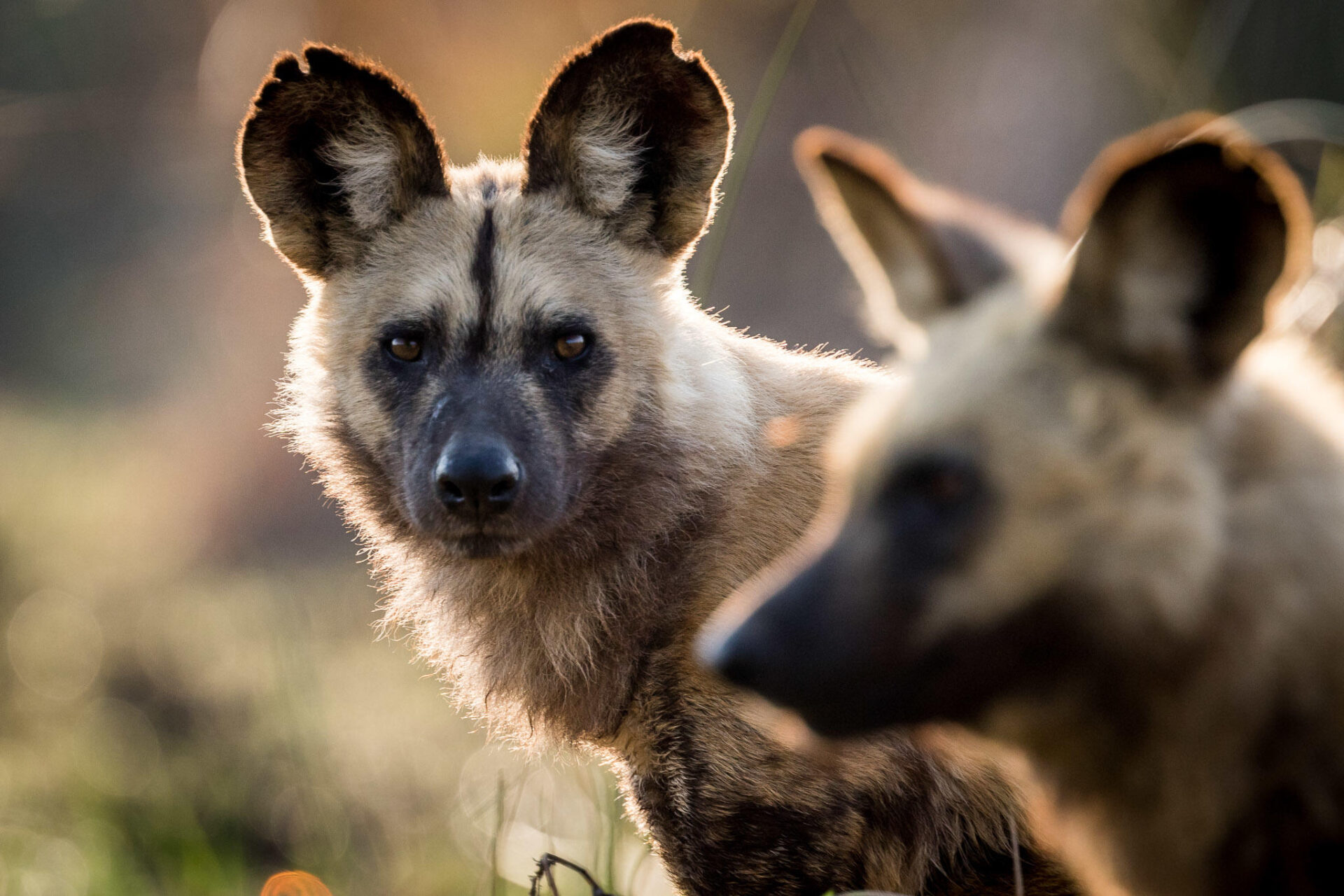
African wild dogs have a strong association with Botswana, which holds one of the most significant remaining populations of this endangered predator. They are highly social, energetic and wide-ranging, often moving across large areas in search of prey. Wild Dogs are particularly found in northern wildlife areas like the Moremi Game Reserve and the Okavango Delta, where packs can move between woodland and floodplains.
Wild dogs are fascinating to watch because of the way they communicate and hunt together. They are also wide-ranging, covering large distances in a single day, which is exactly why sightings are exciting but never guaranteed.
This is another area where Bush Ways guides can make the difference. Following fresh tracks, reading sudden prey movement, or noticing the particular energy of the bush when a pack is on the move can all help turn a possibility into an encounter. When a pack is found, watching them interact and hunt is one of the greatest wildlife safari experiences.
What is The Best Time of Year to See African Wild Dogs?
African wild dogs can be seen throughout the year, but the dry season is often a strong time to look for them. Packs may be more settled during denning periods, although sightings still depend on movement and careful guiding across large areas.
Cheetahs
Cheetahs are open-country hunters, built for speed over short distances rather than strength. Because they cannot easily defend a kill against lions or hyenas, they tend to favour open landscapes where they can see danger coming, and they often hunt in daylight.
This also makes them easier to spot in more open terrain, such as the plains and pans of the Kalahari, than in dense woodland. Sightings are typically slower and more watchful than the sudden drama their speed might suggest. To spot these wonderful predators, Bush Ways guides often look far ahead rather than only close to the vehicle, as cheetahs can blend into grass and low vegetation with surprising ease.
What is The Best Time of Year to See Cheetahs?
Cheetah sightings are closely linked to open landscapes. In the Kalahari, the green season can be a good time to see them, as seasonal rains bring fresh grazing and draw prey onto the plains. In drier months, guides often scan open grassland, pans and woodland edges where cheetahs can blend into the landscape.
Hyenas
Hyenas are among the most misunderstood predators in Botswana.
Often dismissed as scavengers, spotted hyenas are in fact capable and successful hunters in their own right, and can compete directly with lions at a kill.
In drier areas, the shyer brown hyena may also be seen, particularly in Kalahari landscapes. Around camp, the whooping calls of spotted hyenas at night are one of the defining sounds of the Botswana bush.
Understanding their place in the wider predator chain adds a great deal to a safari. Kills change hands between lions and hyenas more often than many travellers expect, and watching that relationship play out is a reminder of how connected these predators really are.
What is The Best Time of Year to See Hyenas?
Hyenas are present throughout the year. Spotted hyenas may be easier to encounter in the dry season when predator and prey activity often centres around water. Brown hyenas are more elusive, especially in Kalahari areas, where sightings are less predictable but always memorable.
Crocodiles, Jackals and Smaller Predators
Beyond the headline species, there is plenty more worth watching for on a Botswana wildlife safari. Part of the pleasure is that these quieter encounters can appear when least expected.
- – Nile crocodiles lie in wait along the waterways of the Okavango and Chobe – ancient ambush hunters that are easy to overlook until they move. They are often easier to notice in the dry season.
- – Black-backed jackals are a common and characterful sight, quick, adaptable and often trailing larger predators for scraps. They can be seen year-round, often close to larger predator activity.
- – Smaller cats such as serval and caracal are present too, though they are elusive across all seasons and a sighting is a genuine bonus rather than something to expect.
Where Are Botswana Predators Most Often Seen?
Predators can turn up almost anywhere in Botswana’s wilderness areas, but a few regions stand out.
Moremi Game Reserve and the Okavango Delta
This is classic predator country, good for lion, leopard, wild dog and hyena, as well as the wider predator-prey interaction that makes a safari feel alive. The mix of water, floodplain and woodland supports large herbivore numbers, which in turn supports the predators that follow them.
Savuti and Chobe
Savuti is one of the strongest predator areas in Botswana. Its dynamic landscape of open plains, marshes and waterholes concentrates wildlife and creates frequent predator activity, including the region’s well-known lion prides. Chobe adds river-based wildlife and large elephant populations to the picture.
Mababe Concession
The Mababe Concession sits between the Khwai region and Savuti, forming an important wildlife corridor between the Okavango Delta and Chobe. Its mix of open floodplains, grasslands, riverine forest and natural water points makes it a strong area for predator activity, with lions, leopards, wild dogs and hyenas all part of the wider wildlife picture.
For guests travelling through or staying in this region, Mababe’s quieter, lower-traffic setting can make predator encounters feel more personal and unrushed.
Kalahari and Deception Valley
The Kalahari offers something different: open, desert-adapted landscapes better suited to cheetah, lion, brown hyena and open-country tracking than to wetland predator viewing. It brings seasonal and habitat variety to a Botswana safari, and a real sense of space.
How Bush Ways Guides Read Predator Signs
Much of the skill Bush Ways guides display on a wildlife safari happens before the animal is ever seen. Reading the bush is what turns a drive through the wilderness into a series of unfolding stories, and it is where experienced guiding earns its place.
On a Bush Ways safari, our guides are constantly interpreting signs such as:
- – Tracks: paw size, stride length, direction and freshness, and whether an animal was walking, running or dragging prey.
- – Calls: lion roars at dawn, the whoop of a hyena, and the alarm calls of baboons, impala and birds that betray a predator nearby.
- – Movement: prey animals bunching together, staring into cover, changing direction or avoiding a water point they would normally use.
- – Scavenger clues: vultures circling, or jackals and hyenas moving with clear purpose towards something out of sight.
- – Habitat knowledge: understanding where predators are likely to rest, hunt or move at different times of day and in different seasons.
Bush Ways guides have led small-group journeys across Botswana for thirty years, and encounters are shaped by that local knowledge, patience and respect for the natural world. It is this reading of the bush, as much as the sighting itself, that many guests remember most.
Responsible Predator Viewing on a Guided Safari
Seeing predators in Botswana is a privilege, and how you watch them matters just as much as what you see. Responsible viewing protects the animals and the habitat, while creating a higher-quality experience for everyone.
On a Bush Ways guided safari, this means:
- – Never crowding predators or forcing a sighting.
- – Keeping a respectful distance from kills, dens and young animals.
- – Letting your guide decide when to wait, move closer or leave a sighting.
- – Remembering that the best encounters usually come from patience, not pressure.
This approach reflects how Bush Ways operates across Botswana, and it is a large part of what makes a sighting feel genuine rather than rushed.
Seeing Botswana Predators with Bush Ways
Seeing Botswana predators is one of the great rewards of a wildlife safari, but the real value often lies in understanding the signs around the sighting: the tracks, the calls, the shift in the behaviour of the bush.
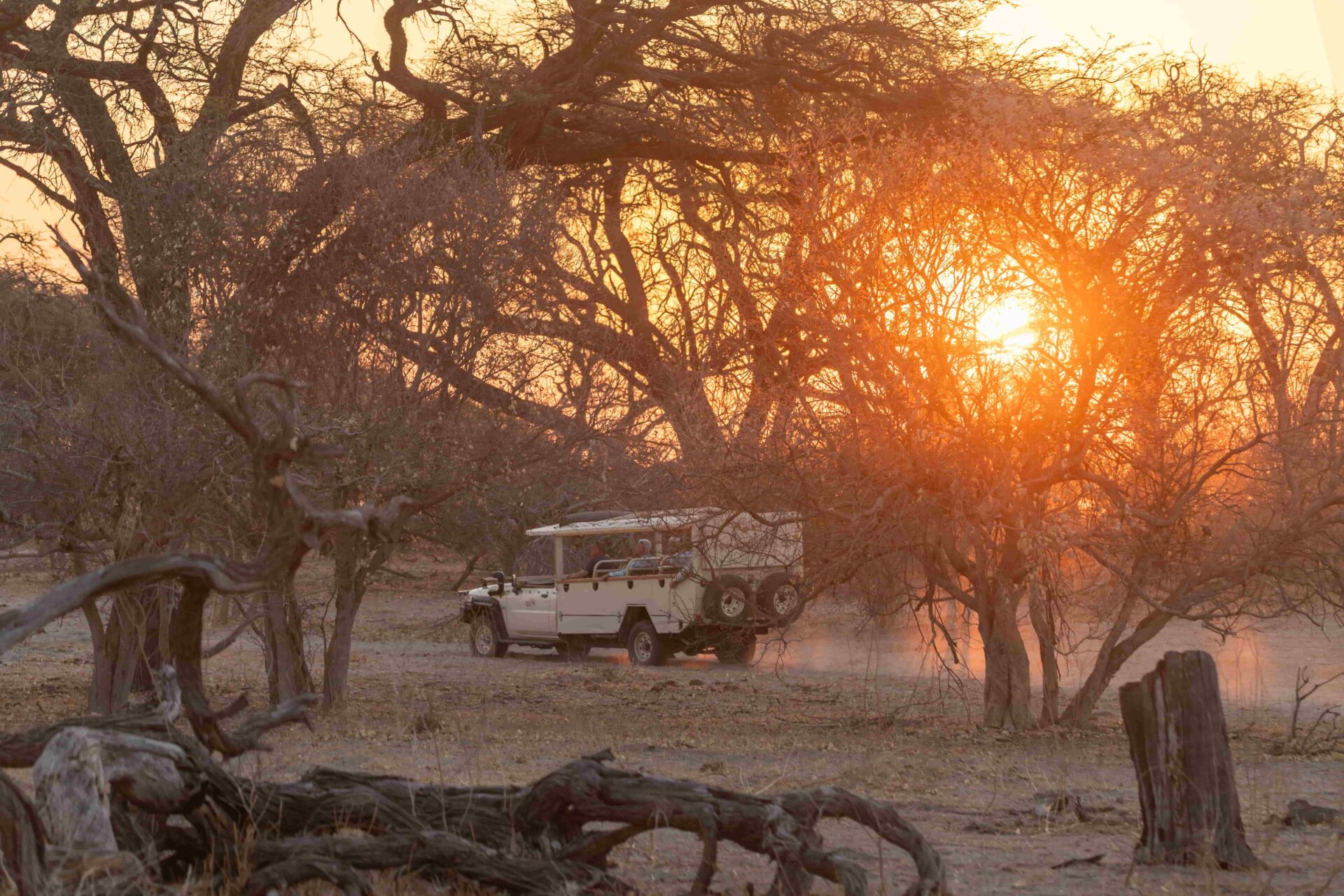
With experienced guides and varied routes, Bush Ways helps travellers experience predator country with patience and respect for the natural world. For guests especially interested in predator-rich regions, the Serval Safari is a strong place to start, travelling through Moremi, Savuti / Chobe and Chobe National Park.
For a wider look at the wildlife beyond predators, see our guide to the top 10 animals to see on a Botswana safari. To choose the route and safari style that best fits your plans, view our safaris or speak to one of our experts today about the regions, season and level of comfort you are looking for.